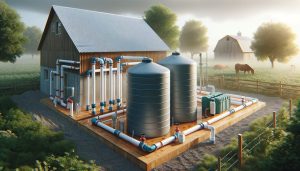
Introduction: Why Collect Rainwater?
Collecting rainwater is an excellent way for homesteaders to increase self-sufficiency. It reduces reliance on municipal water sources. Plus, it gives you control over your water supply, especially during droughts.
Rainwater is naturally soft and free from chemicals. This makes it ideal for gardening, washing cars, and even flushing toilets (when properly treated). Consider the environmental and economic benefits.
This guide will walk you through building your own DIY rain barrel system. You’ll learn how to collect and store rainwater effectively. Let’s get started!
Planning Your Rain Barrel System
Before diving in, careful planning is crucial. Consider your water needs, available space, and local regulations. A well-planned system will be more efficient and reliable.
Here’s what this means for you: When you implement these strategies, you’ll see tangible improvements in your results. Without taking action, you’ll continue facing the same challenges you’re experiencing now. The choice—and the power to change your situation—is in your hands.
Determine how much water you typically use for non-potable purposes. Estimate the rainfall in your area. This will help you decide how many rain barrels you need and what size they should be.
Check local regulations regarding rainwater harvesting. Some areas have restrictions on the size or type of rain barrels allowed. Ensure your system complies with all applicable rules.
Until The Jobs Disappear
Most Americans won’t be prepared for what’s coming. But you don’t have to be one of them.
Discover the surprisingly simple steps you can take today to protect your family’s future.
d often include features like screens and spigots. They offer a convenient solution.
DIY options include constructing a barrel from scratch using wood or other materials. This provides maximum customization but requires more skill and effort.
Gathering Necessary Materials
Once you’ve chosen your rain barrel, gather the necessary materials. A well-stocked toolbox will make the project much smoother. Here’s a basic list to get you started.
- Rain barrel(s)
- Downspout diverter
- Spigot
- Hose adapter
- Screen or mesh
- Drill
- Hole saw
- Sealant (plumbing grade)
- PVC pipe (optional, for linking barrels)
- Gravel or paver base
Consider purchasing a downspout diverter. This allows you to easily redirect rainwater into the barrel. Choose a diverter compatible with your downspout size.
A screen or mesh is essential to prevent debris from entering the barrel. This will keep your water clean and prevent clogs. Secure it tightly over the inlet.
Installing Your Rain Barrel System
Now it’s time to install your rain barrel system. This involves preparing the site, connecting the diverter, and setting up the barrel. Follow these steps carefully.
First, prepare a level base for your rain barrel. Use gravel or pavers to create a stable foundation. This will prevent the barrel from tipping over and make it easier to access the spigot.
Next, install the downspout diverter according to the manufacturer’s instructions. This typically involves cutting a section out of the downspout and inserting the diverter.
Place the rain barrel on the prepared base and connect the diverter hose. Ensure all connections are secure and watertight. Use sealant as needed to prevent leaks.
Connecting Multiple Rain Barrels
If you need more storage capacity, consider linking multiple rain barrels together. This allows you to collect a larger volume of water. The process is relatively simple.
Connect the barrels using PVC pipe and fittings. Drill holes near the bottom of each barrel and connect them with the PVC pipe. This will allow the barrels to fill evenly.
Ensure the barrels are at the same level to prevent one from overflowing while the others remain empty. Adjust the base as needed to achieve a level surface.
Maintaining Your Rain Barrel System
Regular maintenance is essential to keep your rain barrel system functioning properly. Inspect your system regularly for leaks, clogs, and debris buildup. A little maintenance goes a long way.
Clean the screen or mesh regularly to remove leaves and other debris. This will prevent clogs and ensure a steady flow of water into the barrel.
Periodically drain and clean the rain barrel to remove sediment and algae. This will keep your water clean and prevent odors. Once a year should be sufficient.
Inspect all connections for leaks and repair them promptly. Use sealant or replace worn fittings as needed. A leaky system wastes water and can attract pests.
Water Quality and Usage
Rainwater is generally safe for non-potable uses. However, it’s important to take precautions to ensure water quality. Proper filtration and storage are key.
Use a fine-mesh screen to filter out debris before the water enters the barrel. This will remove leaves, insects, and other contaminants. Consider adding a charcoal filter for further purification.
Store the water in a dark, opaque container to prevent algae growth. Sunlight can promote the growth of algae and bacteria. This will help maintain water quality.
Rainwater collected in rain barrels is NOT safe for drinking without proper treatment. It can contain bacteria, viruses, and other contaminants. Always purify rainwater before consumption.
Practical Tips for Rainwater Harvesting
- Elevate your rain barrel: Place it on a sturdy platform for easier access to the spigot.
- Use a first flush diverter: This diverts the initial rainwater, which contains the most contaminants.
- Consider a submersible pump: This can provide pressurized water for irrigation.
- Add mosquito netting: Cover the inlet and overflow to prevent mosquito breeding.
- Winterize your system: Disconnect and drain the barrel before freezing temperatures to prevent damage.
- Label your rain barrel: Clearly mark it as non-potable water.
Conclusion: Embrace Sustainable Water Solutions
Building a DIY rain barrel system is a rewarding project that promotes self-sufficiency and conserves water. By following these steps, you can create a reliable source of water for your garden and other non-potable uses.
Embrace rainwater harvesting as a sustainable solution. It benefits your homestead, your community, and the environment. Start collecting rainwater today and enjoy the many advantages it offers.