
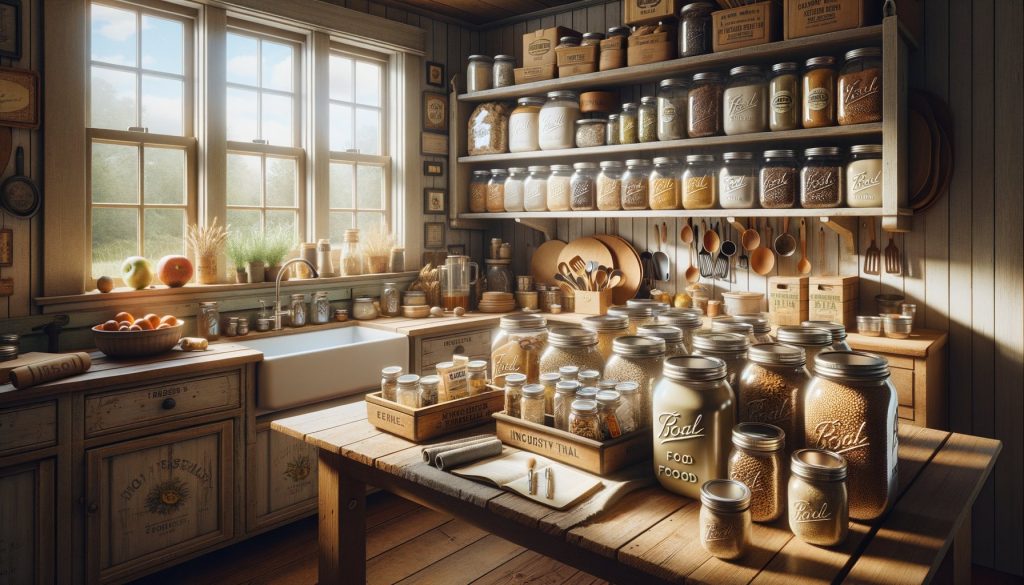
Picture this: It’s mid-January, a blizzard has hit and you’re snowed in. The roads are impassable and store shelves, already emptied in the pre-storm rush, will remain barren for days. But you’re not worried. You’re too busy deciding whether to cook up a homemade chicken noodle soup or a hearty beef stew from your pantry. You have a 12-month food supply at your fingertips, and not once did you panic buy or break the bank to build it.
While this may sound like a homesteader’s fantasy, it’s an attainable reality even for those on a budget. You don’t need a massive farm or a hefty bank account to become self-sufficient in food. All you need is the right knowledge, a good plan, and a bit of dedication.
The Problem: Food Security and Self-Sufficiency?
Food security is a real concern, not just in times of crisis but also during everyday life. The World Bank states that nearly 690 million people are hungry worldwide. While we may not directly experience this level of scarcity, we do face inflated prices and the occasional supply chain disruption.
Moreover, most of the food we consume is heavily processed and laden with preservatives. This has long-term impacts on our health and well-being. So, what’s the solution?
The answer lies in self-sufficiency. Building your own 12-month food pantry ensures you have a continuous supply of wholesome, nutritious food. But, the task can feel daunting from both a logistical and financial perspective. The key is knowing where to start and how to effectively manage your resources.
A Deep Dive: Building a 12-Month Food Pantry
Creating a 12-month pantry involves careful planning and strategic purchasing. The idea is to stock up on items that have a long shelf life, are nutrient-dense, and can be used in a variety of meals. Grains, beans, canned goods, dried fruits, and preserved meats are all excellent choices.
When purchasing, be sure to keep track of the expiration dates, rotating your stock so that nothing goes to waste. Also, consider your family’s dietary needs and preferences. A food stockpile is of no use if it’s full of items that no one in your household will eat.
You don’t need to buy everything at once. Strategically adding to your pantry over time will spread the cost and make the task more manageable. Look for deals and discounts, buy in bulk when possible, and don’t forget the value of homemade preserves and pickles.
Lastly, remember: food storage isn’t only about survival, it’s about maintaining a comfortable standard of living. Incorporate comfort foods and treats into your pantry. These will keep morale high in times of stress.
Practical Solutions: Strategies for Building Your Food Pantry
A budget-friendly pantry build-up requires smart strategies. Start with a clear, written plan. Determine what foods you need, the quantity required for a year, and then devise a schedule to purchase these over time. Factor in seasonal discounts and sales.
Purchase from bulk bins whenever possible. Foods like rice, lentils, oats, and pasta are significantly cheaper when bought in bulk. Remember to store these items in airtight containers to maintain freshness and prevent pests.
Grow your own food. Even a small kitchen garden can yield a significant amount of vegetables and herbs. If space is an issue, consider container gardening or vertical farming.
Learn to preserve. Canning, freezing, and drying foods allow you to take advantage of seasonal bounty and store food for the long term. Basic equipment and knowledge go a long way in this regard.
12-Month Food Pantry: Your Action Plan
Ready to take control of your food supply? Let’s break it down into actionable steps:
1. Assess your storage space: You need a cool, dark, and dry place to store your food. Basements, pantries, or closets can work well. Measure your space and invest in suitable storage containers and shelving units.
2. Plan your pantry: Make a list of items to stock, considering nutritional value, shelf life, and your household’s preferences. Remember to include spices, oils, and baking essentials.
3. Shop smart: Buy in bulk, look out for sales, and don’t rush. It’s better to build your pantry over time than to purchase too much at once and risk food going bad.
4. Grow what you can: Start a vegetable garden, raise chickens for eggs, or even keep bees for honey. Every bit of self-production helps.
5. Learn preservation techniques: Invest in a decent canner, dehydrator, or freezer. Attend workshops or watch online tutorials to master these skills.
6. Regularly rotate your stock: Use the oldest items first and replace them with new purchases. This keeps your stock fresh and prevents waste.
7. Keep refining your system: As you use your pantry, you’ll find out what works and what doesn’t. Be flexible and willing to adjust your plan.
Building a 12-month food pantry is a journey towards self-sufficiency, not an overnight achievement. It’s a rewarding project that will benefit your family’s health, finances, and peace of mind. So, start today, one step at a time. Before you know it, you’ll be enjoying that home-cooked stew in the middle of a blizzard, secure in your self-sufficiency and independence.