Looking to cut down on your water bill, or simply want to live more sustainably? If so, then you might want to consider creating your own rainwater harvesting system. Rainwater harvesting is an excellent way to reduce your reliance on municipal water supplies, save money, and help the environment. In this comprehensive guide, we will walk you through the process of setting up your own rainwater harvesting system right at home. It’s easier than you might think!
Understanding Rainwater Harvesting
Rainwater harvesting simply refers to the collection and storage of rainwater for future use. This water can be used for various purposes such as irrigation, washing clothes and vehicles, or even for drinking and cooking if properly treated. Harvesting rainwater not only helps conserve water but also reduces runoff, which can lead to soil erosion and flooding.
The concept of rainwater harvesting is not new. It’s been around for centuries, with civilizations across different eras and continents using varied techniques to collect and store rainwater. However, with advancements in technology and growing awareness about sustainability, modern rainwater harvesting systems have become more efficient and accessible than ever.
Components of a Rainwater Harvesting System
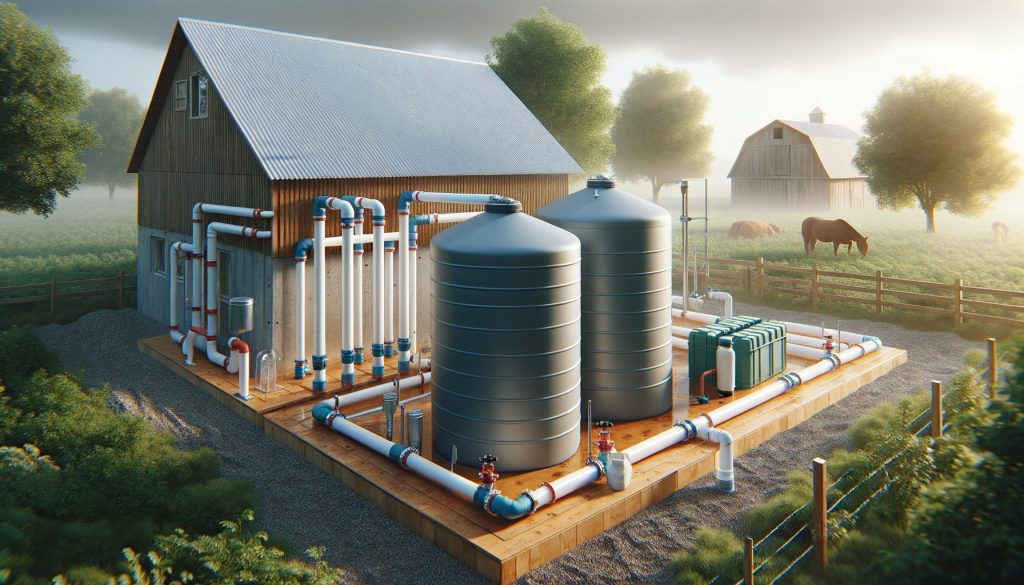
A basic rainwater harvesting system consists of several components. These include a catchment surface, a conveyance system, a storage system, and a distribution system.
The catchment surface is typically the roof of your house. Rainwater falls on the roof and is directed to the conveyance system, which is usually made up of gutters and downspouts. The water then flows into the storage system, which could be a rain barrel or a larger tank. Finally, the distribution system, which can be as simple as a spigot or a more complex system of pipes, delivers the stored water to where it’s needed.
Benefits of Rainwater Harvesting
Beyond the obvious benefit of providing an alternative water source, rainwater harvesting offers several other advantages. It helps reduce water bills, lessens the demand on municipal water supplies, and can provide a lifeline during periods of water shortage or drought. Moreover, rainwater is naturally soft and free from chemicals, making it ideal for watering plants and gardens.
Building Your Own Rainwater Harvesting System
Building a rainwater harvesting system may seem daunting, but it’s a project that can be completed in a weekend with the right tools and materials. Here’s a step-by-step guide on how to do it.
Step 1: Assess Your Rainfall and Roof Size
The first step in creating a rainwater harvesting system is to assess your rainfall and roof size. You’ll need to know how much rain your area receives on average and how much of that rain you can realistically collect. To estimate the amount of rainwater you can collect, you can use this simple formula: Rainfall (in inches) x Roof area (in square feet) x 0.623.
Step 2: Choose Your Storage System
Next, you’ll need to choose your storage system. This could be a simple rain barrel, which is ideal for small gardens, or a larger tank if you have more space and need to store more water. Make sure to choose a tank that is dark in color and opaque to prevent sunlight from promoting algae growth.
Step 3: Install Your Catchment and Conveyance Systems
After choosing your storage system, the next step is to install your catchment and conveyance systems. This involves installing gutters and downspouts if you don’t already have them. Make sure your gutters are clean and free from debris to prevent clogging and contamination of your water supply.
Step 4: Set Up Your Distribution System
Once your catchment and conveyance systems are in place, it’s time to set up your distribution system. This could be as simple as a spigot attached to your rain barrel, or a more complex system involving pumps and pipes if you have a larger system.
Step 5: Maintain Your Rainwater Harvesting System
Finally, it’s important to maintain your rainwater harvesting system regularly. This involves cleaning your gutters, checking your storage tank for leaks, and ensuring your distribution system is functioning properly. Regular maintenance will ensure your system continues to provide a reliable source of water for years to come.
In conclusion, a rainwater harvesting system is a practical and eco-friendly solution for any homesteader. Not only does it provide an alternative and sustainable water source, but it also helps conserve water, save money, and protect the environment. So why not give it a try? With this guide, you now have all the information you need to set up your own system. Happy harvesting!