The Viking Age was the most expansive global network of its era.
The Norse built trade routes from North America to the markets of Baghdad. They ruled a North Sea Empire spanning England, Denmark, and Norway.
Then, they simply stopped.
Not conquered. Not defeated. They voluntarily walked away from their global reach. The world didn’t wait for them to return. It moved on. The Hanseatic League filled their trade vacuum, and the lands they discovered were forgotten for 400 years.
America is making the exact same choice right now.
In early 2026, the U.S. withdrew from 66 international organizations. We cut NATO positions. We slashed foreign aid. We pulled back from the global systems we built.
And just like 1,000 years ago, the world isn’t waiting. China is stepping in to fill every vacated leadership position. Supply chains are shifting. The global network that kept grocery store shelves full and prices low is fracturing.
The people who survived the end of the Viking Age were not the ones who waited for the longships to return.
They were the ones who built local resilience. They were the ones who knew that real wealth is the land under your feet and the food in your pantry. Not a supply chain that a single diplomatic withdrawal can sever. Not a global system that can simply choose to stop showing up.
When the empire retreats, the supply chains it maintained go with it.
Your ability to source, grow, and protect your own food is the most important investment you can make right now. Here is how to build your own food sovereignty, step by step.
Step 1: The 30-Day Deep Pantry (Cost: $100–$300)
You don’t need a bunker to start building resilience. You need a deep pantry.
A deep pantry is simply a working supply of the foods you already eat, expanded to cover a 30-day disruption. This is your first line of defense against supply chain shocks and inflation.
What you need:
- Caloric Base: Rice, beans, pasta, oats. Buy in bulk (20–50 lb bags).
- Proteins: Canned chicken, tuna, salmon, peanut butter.
- Fats: Olive oil, coconut oil, ghee. Fats are the hardest macro to store long-term.
- Flavor: Salt, spices, bouillon, honey, sugar. Food fatigue is real.
The Strategy:
Don’t buy “survival food” kits yet. Buy what you eat. When you go to the store, buy two of whatever non-perishable item you need. Eat one, store one. Rotate your stock. First in, first out.
The Tools:
- Food-grade 5-gallon buckets ($5 each)
- Mylar bags and oxygen absorbers ($25 for a pack of 50)
- A cheap hair straightener to seal the bags ($15)
Step 2: The Decentralized Garden (Cost: $50–$150)
Once your pantry is stocked, you need a way to replenish it without relying on the store.
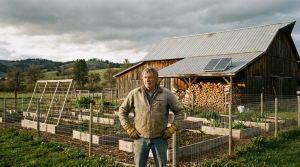
You don’t need acres of land. The Norse settlers of Iceland built their own food sovereignty in one of the harshest environments on earth. You can build yours in your backyard, on your patio, or even on a balcony.
What you need:
- High-Yield Crops: Potatoes, tomatoes, zucchini, beans, squash.
- Calorie Crops: If you have space, focus on root vegetables. They store well and provide dense calories.
- Seeds: Heirloom, non-GMO seeds. You must be able to save seeds for the next year.
The Strategy:
Start small. Build two raised beds (4×8 feet). Focus on soil health. Compost your kitchen scraps. Learn how to grow three crops perfectly before expanding to ten.
The Tools:
- Untreated lumber for raised beds ($40)
- Quality soil and compost ($60)
- Heirloom seed bank ($30)
Want to maximize a small space? Check out the 4 Foot Farm Blueprint for high-yield, small-footprint growing strategies.
Step 3: The Modern Root Cellar (Cost: $200–$500)
Growing food is only half the battle. Preserving it is where true sovereignty lies.
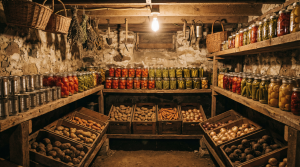
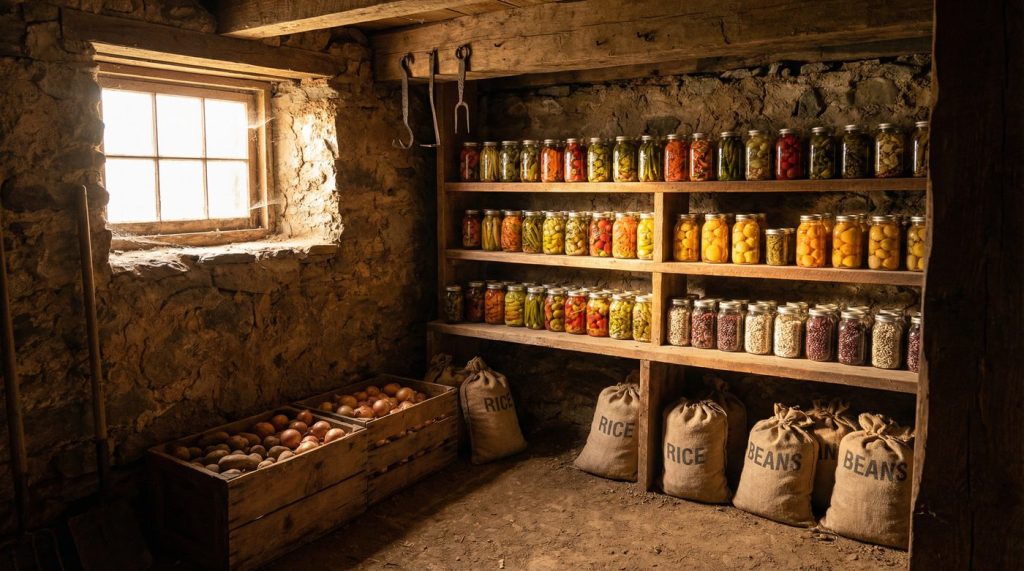
Before refrigeration, the root cellar was the heart of the homestead. It allowed families to eat fresh food through the dead of winter. You can recreate this system without digging a massive hole in your yard.
What you need:
- Cold Storage: A cool, dark, humid space (basement corner, unheated closet, or a buried trash can).
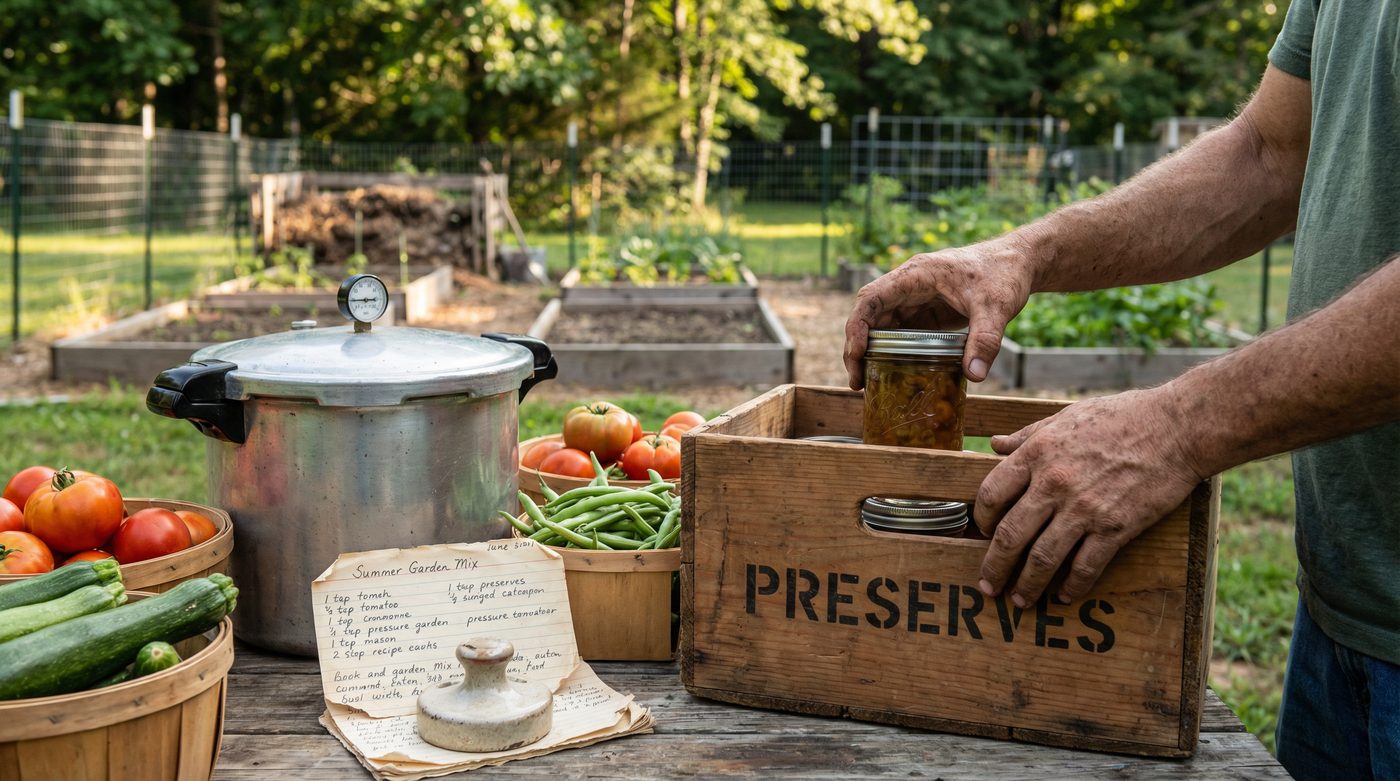
- Canning Supplies: Water bath canner for high-acid foods, pressure canner for low-acid foods.
- Dehydration: A simple food dehydrator to preserve fruits, vegetables, and meats.
The Strategy:
Learn to water bath can first (jams, pickles, tomatoes). It’s easy and safe. Then graduate to pressure canning (meats, beans, soups). Dehydrate what you can’t can. Store root vegetables (potatoes, carrots, onions) in damp sand in a cool, dark place.
The Tools:
- Presto Pressure Canner ($150)
- Mason jars and lids ($40)
- Basic food dehydrator ($60)
Your Homestead is Your Empire
The Viking Age ended quietly. The global systems fractured, and the people who relied on them suffered. But the people who built local resilience — the farmers, the makers, the homesteaders — they thrived.
America’s global retreat is happening right now. The supply chains are already shifting.
You cannot control what happens in Washington or Beijing. But you can control what happens in your own backyard. You can control the food in your pantry. You can build an empire of one.
Start today. Buy the extra bag of rice. Plant the seeds. Learn the skills.
Because when the longships stop coming, the only wealth that matters is the land under your feet and the food in your pantry.
Ready to take the next step in your self-reliance journey?
Noah didn’t wait for the rain to build the ark. He built it while the sun was shining. The time to prepare your homestead is now, before the supply chains fully fracture.
Looking to protect your financial sovereignty as well? Learn how to hedge against inflation with this Beginner’s Guide to Gold.