In the 7th century, the Kingdom of Aksum was the undisputed king of global trade.
They controlled the Red Sea. They minted their own gold coins. They were the bridge between Rome and India. If you wanted goods to move, you paid Aksum.
Then, the world changed. Arab Muslim forces took over the naval routes. They didn’t conquer Aksum. They just sailed around them.
The trade routes shifted. The global supply chain bypassed them entirely.
Without that flow of commerce, Aksum’s revenue dried up. Their state fragmented. They faded into a “dark age.” The world moved on, and they were left behind.
Sound familiar?
Right now, America is wielding tariffs like a weapon. We are forcing the world to build new routes around us. US-China trade is down 30%. The BRICS nations are accelerating their de-dollarization. China is becoming the “factory to the factories” for the Global South.
The world is not waiting for us to fix our politics. They are building routes around us.
When the global supply chain fractures, the people who survive are not the ones waiting for the empire to save them.
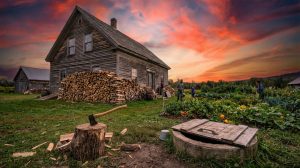
The Aksumites who survived their empire’s collapse were the ones who had built self-sufficient homesteads in the fertile Ethiopian highlands. They had food sovereignty. They had local resilience.
Real wealth is the land under your feet and the tools in your hands. It is not a supply chain that a single tariff war can sever.
Here is how you build that wealth today.
Step 1: Secure Your Water Supply (The Foundation)
You cannot rely on municipal water when the grid fails or supply chains for treatment chemicals break down. Water is your first priority.
The Setup: Start with a simple rainwater catchment system.
The Cost: $150 – $300
The Tools:
- Two 55-gallon food-grade barrels ($40–$60 each)
- Gutter diverter kit ($30–$50)
- Spigots and basic PVC piping ($20)
The Action: Connect the diverter to your downspout. Run the PVC to your barrels. Elevate the barrels on cinder blocks so gravity does the work for you. This gives you 110 gallons of non-potable water for your garden or livestock. Add a Berkey or similar gravity filter ($300) to make it drinkable.
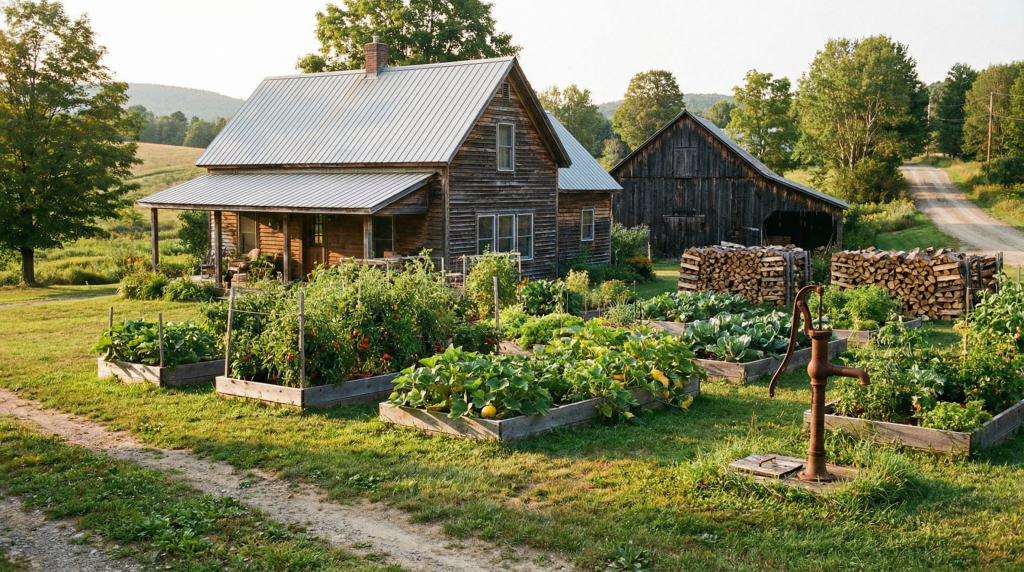
Step 2: Build Decentralized Food Production
The grocery store is the most fragile link in the modern supply chain. You need calories that you control.
The Setup: A high-yield, small-footprint garden. You don’t need 100 acres. You need smart, dense planting.
The Cost: $200 – $400
The Tools:
- Untreated lumber for raised beds ($100)
- Quality compost and topsoil ($100)
- Heirloom, non-GMO seeds ($50)
- Basic hand tools: broadfork, hoe, trowel ($100)
The Action: Build three 4×8 raised beds. Focus on calorie-dense crops: potatoes, beans, squash, and root vegetables. These store well and provide real energy. Learn to save your seeds. A garden that requires you to buy seeds every year is just another supply chain dependency.
Want to grow more food in less space? Check out the 4ft Farm Blueprint — a complete system for maximizing your harvest in a tiny footprint.
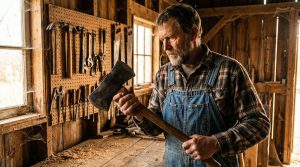
Step 3: Establish Tool Sovereignty
When the cheap imports stop flowing, the ability to fix what you have becomes your most valuable skill.
The Setup: A core maintenance and repair kit that doesn’t rely on electricity.
The Cost: $300 – $500
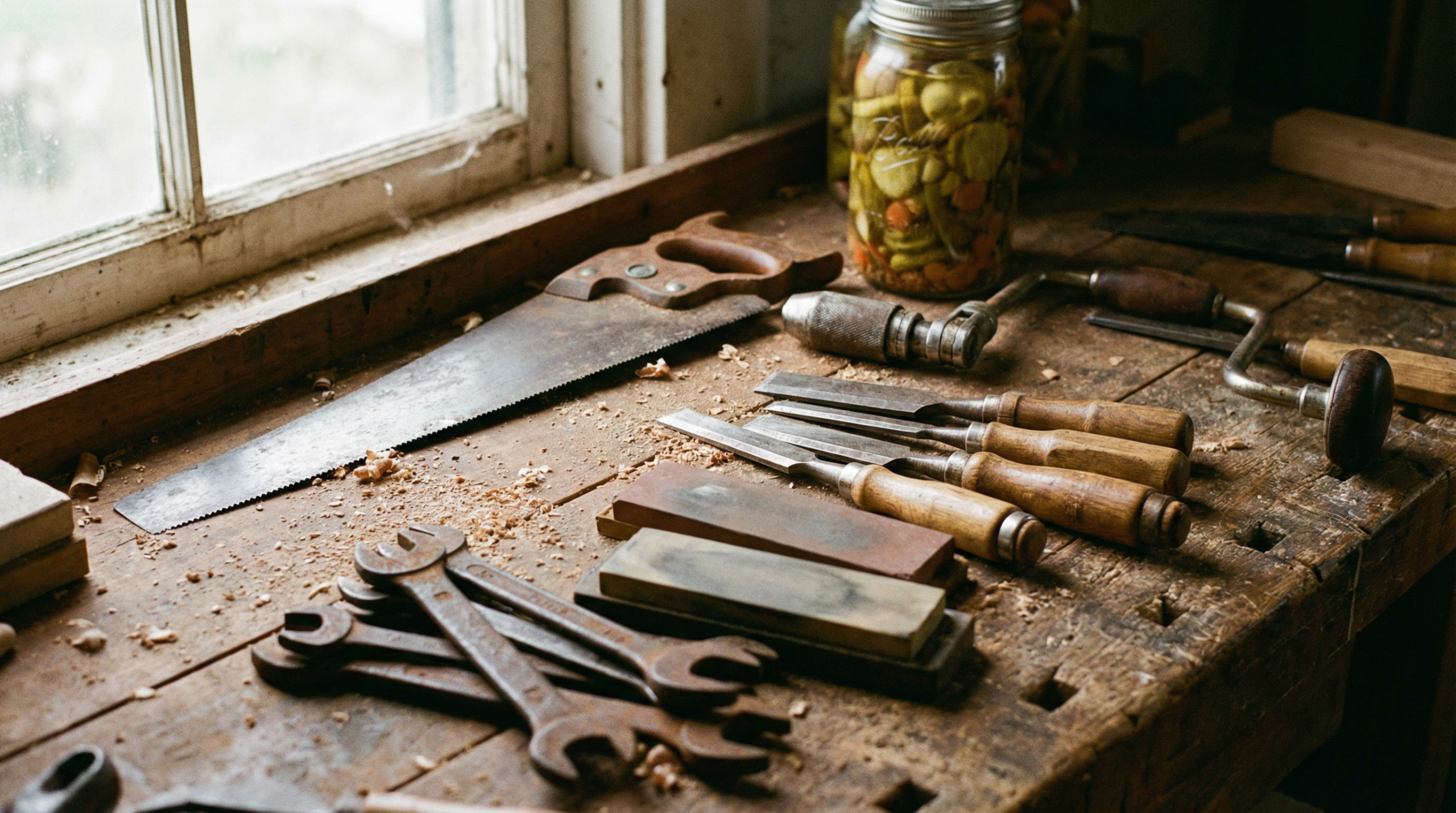
The Tools:
- High-quality crosscut hand saw ($80)
- Set of good chisels and files ($60)
- Heavy-duty manual hand drill/brace ($40)
- Whetstones for sharpening ($50)
- Basic socket and wrench set ($100)
The Action: Stop buying cheap tools that break. Invest in high-carbon steel hand tools. Learn how to sharpen them. If you can cut wood, shape metal, and turn a bolt without plugging into the grid, you are immune to power outages and supply chain shocks.
Step 4: Energy Independence
You need a way to keep the lights on and the food cold when the system fails.
The Setup: A scalable, off-grid power solution.
The Cost: $500 – $1,500
The Tools:
- Portable solar generator (e.g., Jackery or EcoFlow) ($500–$1,000)
- 200W folding solar panels ($300)
- Deep cycle marine batteries and an inverter (for a DIY setup) ($400)
The Action: Start small. Get a portable solar generator to keep your freezer running and your devices charged. As your budget allows, scale up to a permanent solar array or a wood-gasifier system.
Step 5: Master Food Preservation
Growing food is only half the battle. If you cannot preserve your harvest, you are still dependent on the grocery store during the winter months.
The Cost: $250 – $600
The Tools:
- Pressure canner (e.g., All American or Presto) ($150–$300)
- Water bath canner ($50)
- Mason jars, lids, and bands ($50–$100)
- Quality food dehydrator ($100–$200)
- Fermentation crocks or weights ($40)
The Action: Start with water bath canning for high-acid foods like tomatoes, jams, and pickles. Then, move to pressure canning for low-acid foods like meats, beans, and root vegetables. Dehydrate herbs, fruits, and jerky to save space. Learn lacto-fermentation to make sauerkraut and kimchi — which not only preserves food but also provides essential probiotics. A full pantry is the ultimate insurance policy against inflation and supply chain disruptions.
Step 6: Build a Medical Buffer
When global trade slows down, pharmaceutical supply chains are often the first to feel the impact. You cannot afford to be caught without basic medical supplies or the knowledge to treat minor injuries at home.
The Cost: $150 – $350
The Tools:
- Advanced first aid kit with tourniquets, gauze, and bandages ($100–$200)
- Over-the-counter medications (pain relievers, antihistamines, anti-diarrheals) ($50)
- Medicinal seeds: Calendula, Echinacea, Yarrow, Chamomile, Peppermint ($30)
- Basic suturing and wound care supplies ($50)
The Action: Stock up on the medications your family uses regularly. Build a trauma kit that goes beyond simple band-aids. Plant a medicinal herb garden. Yarrow is excellent for stopping bleeding, while Chamomile and Peppermint are powerful digestive aids and sleep promoters. Knowing how to make basic tinctures and salves gives you a layer of medical sovereignty that most people completely ignore.
For natural health and wellness strategies that work with your homestead lifestyle, visit our sister site Seven Holistics.
The True Cost of Waiting
The people of Aksum didn’t wake up one morning to find their empire gone. It happened slowly, and then all at once. The trade ships stopped coming. The gold coins lost their value. The system they trusted simply routed around them.
We are watching the exact same pattern play out today. The tariffs are rising. The trade routes are shifting. The dollar’s dominance is being challenged.
You can sit back and hope the politicians figure it out. Or you can take control of your own supply chain.
Every dollar you spend building your homestead is a dollar insulated from inflation. Every skill you learn is a skill that cannot be taxed, tariffed, or taken away.
Start today. Pick one step from this list and execute it this weekend. Build your water system. Plant your seeds. Buy your hand tools.
The empire might be retreating, but your homestead is just getting started.
Ready to take the next step?
If you want to truly insulate your family from the coming supply chain collapse, you need a proven blueprint.
Noah didn’t wait for the rain to start building the ark. He built it while the sun was shining.
Looking to protect your savings from the de-dollarization of the global economy? Get your Free Beginner’s Guide to Gold here.
Want to wipe out your power bills entirely? Discover the Ancient Invention that generates energy on demand.