In 1368, the Ming Dynasty was the richest empire on earth. They had the biggest ships, the most silver, and the strongest military.
Then, they made a fatal mistake.
They enacted the Haijin—the Sea Ban. They burned their own trade ships. They closed their ports. They tried to protect their economy by building a wall around it.
The result? The silver supply dried up. Prices skyrocketed. The people who relied on the empire’s supply chain starved. In 1644, the empire collapsed. It didn’t fall to a stronger enemy. It starved its own economic engine.
Right now, America is repeating this exact pattern.
New tariffs are designed to protect our manufacturing. But instead, they are raising costs on everything. The average household is paying $600 to $700 more this year just because of these tariffs. Supply chains are fracturing. The cost of basic goods is climbing fast.
But here is the good news: The Ming peasants who survived their empire’s collapse didn’t rely on the government.
They survived because they had tools, seeds, and skills. They didn’t depend on the imperial supply chain. They built their own.
Real wealth is not what you can import. Real wealth is what you can grow, build, and fix.
Here is how you can build your own local supply chain right now, before prices climb any higher.
Step 1: Build Food Sovereignty (Cost: $50 – $150)
When supply chains break, food is the first thing to get expensive. You cannot eat paper money. You cannot eat a bank account.
You need to grow your own calories.
You don’t need 100 acres to do this. You just need a plan.
What you need:
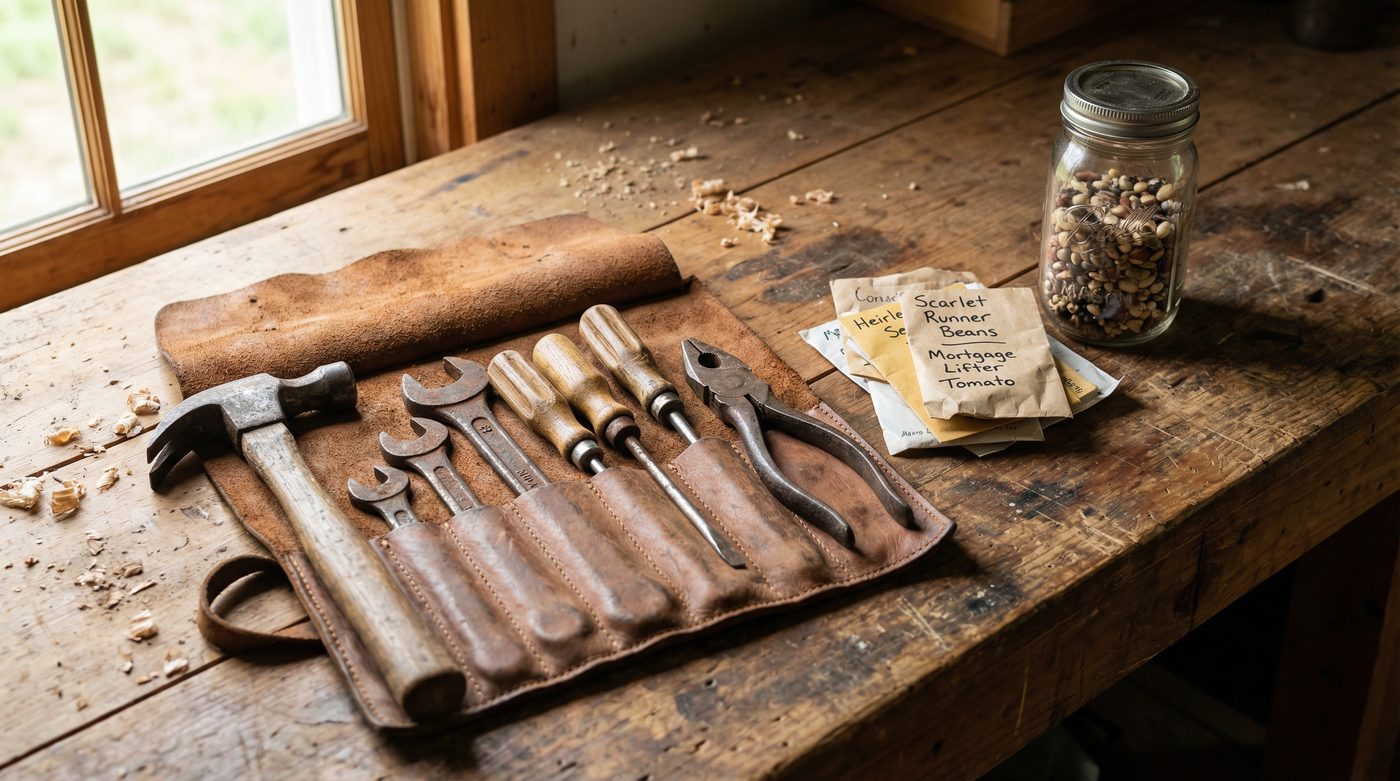
- Heirloom Seeds ($30 – $50): Buy seeds that you can save and replant year after year. Do not buy hybrid seeds that only grow once.
- Raised Bed Materials ($20 – $100): You can build a simple raised bed out of untreated lumber or even old pallets.
- Good Soil (Free – $50): Start composting your kitchen scraps today. It is free fertilizer.
The Action Plan:
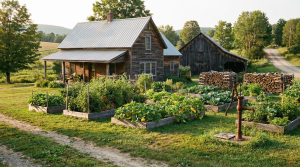
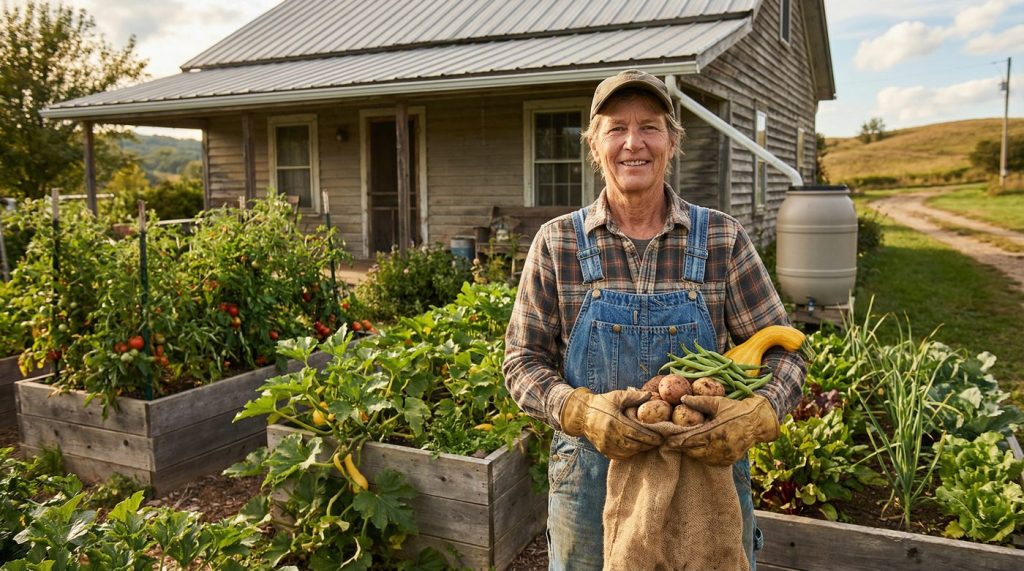
Start small. Plant high-calorie, easy-to-grow crops like potatoes, beans, and squash. These are survival foods. They store well and keep you full. Every potato you grow is one less potato you have to buy at inflated prices.
Want to learn how to grow a massive amount of food in a tiny space? Check out our friends at 4ft Farm Blueprint for small-space gardening secrets.
Step 2: Secure Your Water Supply (Cost: $100 – $300)
You can go weeks without food. You can only go three days without water.
If the grid goes down, the pumps stop working. If the pumps stop working, your taps run dry. You must have a backup plan for water.
What you need:
- Rain Barrels ($50 – $150): Connect a 55-gallon food-grade barrel to your gutter downspout.
- Water Filters ($30 – $100): Get a high-quality gravity filter like a Berkey or a LifeStraw. You need to be able to make dirty water safe to drink.
- Storage Containers ($20 – $50): Keep at least 5 gallons of clean drinking water per person stored inside your house.
The Action Plan:
Set up one rain barrel this weekend. It takes less than two hours. That one barrel will give you 55 gallons of water every time it rains. You can use it for your garden, for cleaning, or filter it for drinking.
Step 3: Master Basic Repairs (Cost: $100 – $250)
When the Ming Dynasty closed its ports, new tools and parts stopped coming in. People had to fix what they had.
We are entering a time where buying new things will be too expensive. You must learn to fix what you already own.
What you need:
- Basic Hand Tools ($50 – $100): A good hammer, screwdrivers, wrenches, and pliers. Do not rely on power tools that need electricity.
- Repair Supplies ($20 – $50): Duct tape, zip ties, super glue, epoxy, and basic hardware (screws, nails).
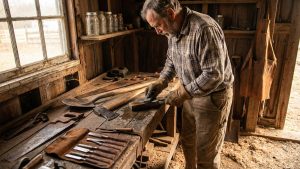
- Knowledge (Free): The internet is full of free repair manuals and videos. Download them now. Print them out.
The Action Plan:
Find one broken thing in your house this week. Do not throw it away. Figure out how to fix it. Every time you fix something instead of replacing it, you keep money in your pocket. You build your own independence.
Your Homestead is Your Empire
The Ming Dynasty fell because it relied on a fragile system. When that system broke, the people suffered.
Do not make the same mistake.
Do not rely on a fragile supply chain that is already cracking under the weight of tariffs and inflation. Build your own system. Grow your own food. Catch your own water. Fix your own tools.
When you do this, you stop being a consumer. You become a producer.
And in a world where everything is getting more expensive, being a producer is the only real wealth left.
Ready to take the next step?
If you want to truly protect your family from the coming economic storm, you need a proven plan.
Noah didn’t wait for the rain to build the ark.
Discover the survival blueprint that provides provision in the drought. Learn how to secure 40 gallons of water a day and build true resilience before the storm hits.
Click here to see the blueprint now.
Looking to cut your power bills to zero? Check out this Ancient Invention that Wipes Out Power Bills and Generates Energy On Demand.
For more on building economic resilience at the household level, read Self Reliance Report and American Downfall.