In the 1400s, the Ming Dynasty made a fatal mistake. They enacted the Haijin—the Sea Ban. They burned their massive treasure fleets. They closed their ports. They made foreign trade a crime punishable by death.
They thought they were protecting their empire. Instead, they starved it.
The silver supply dried up. Deflation crushed the working class. Soldiers stopped getting paid and mutinied. By 1644, the empire collapsed. It didn’t fall to a stronger army. It fell because it destroyed its own supply chain.
History is rhyming right now.
New tariffs are designed to protect American manufacturing. But the reality on the ground is different. These policies are expected to cost the average household $600 to $700 this year alone. Supply chains are fracturing. Prices at the hardware store and the grocery store are climbing.
When the Ming Dynasty collapsed, the people who survived were not the ones holding imperial currency. The survivors were the peasants who had already decoupled from the system. They had tools. They had seeds. They had skills.
Real wealth is not what you can import. Real wealth is what you can grow, build, and fix yourself.
Here is how you can build that same economic resilience on your homestead today.
1. The Seed Bank: Your First Line of Defense
When supply chains break, food is the first thing to get expensive. We are already seeing this at the grocery store. The best hedge against food inflation is a seed bank.
You do not need a massive farm to start. You just need the right seeds and the knowledge to use them.
Real Steps
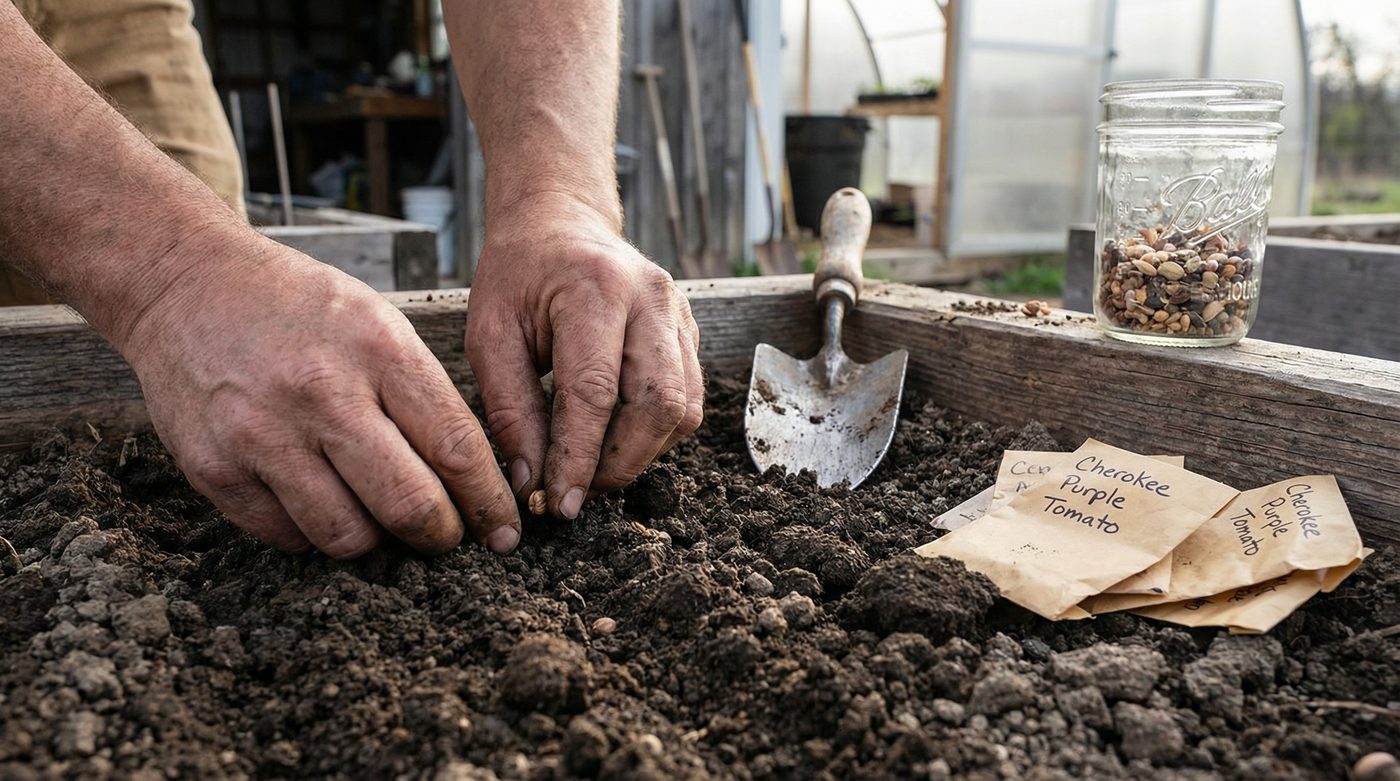
- Buy heirloom, open-pollinated seeds. These are seeds you can plant, harvest, and save for the next year. Hybrid seeds will not breed true.
- Store them in a cool, dark, dry place. Mason jars in a basement work perfectly.
- Focus on high-calorie crops first: potatoes, beans, corn, and squash.
Real Costs
- Basic heirloom seed vault: $40 – $80
- Storage containers (Mason jars): $15
- Total investment: Under $100
If you want to maximize your yield in a small space, check out our sister site, 4ft Farm Blueprint, for guides on high-density planting.
2. The Tool Shed: Building Production Capacity
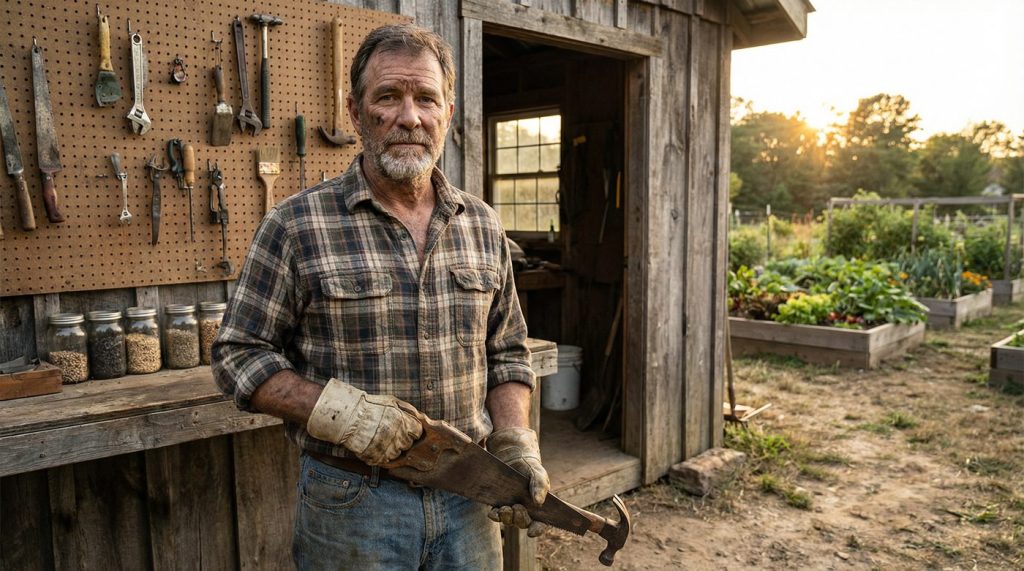
The Ming peasants who thrived had the tools to repair their own homes and equipment. When you cannot buy a replacement part, you must make it or fix it.
Your tool shed is your personal factory. Every tool you own is a step away from relying on a fragile global supply chain.
Real Steps
- Start with high-quality hand tools. Power tools are great, but they need electricity. Hand tools work no matter what.
- Learn basic carpentry and metalworking. You do not need to be a master builder. You just need to know how to fix a fence, patch a roof, or repair a gate.
- Maintain your tools. A rusty saw is a useless saw. Clean and oil your gear regularly.
Real Costs
- Quality hammer, handsaw, and measuring tape: $75 – $120
- Basic socket and wrench set: $50 – $100
- Sharpening stones and oil: $30
- Total investment: $155 – $250
3. The Water System: Independence from the Grid
Water is life. If the municipal water stops flowing, or if the power grid goes down and your well pump stops, you have a massive problem.
The Ming Dynasty relied heavily on state-managed canals. When the state failed, the canals dried up. You must control your own water.
Real Steps
- Set up a rainwater catchment system. Even a simple barrel under a gutter downspout can save hundreds of gallons a year.
- Install a manual hand pump on your well. If the power goes out, you can still get fresh water.
- Have a reliable water filtration system. Boiling water takes fuel. A good filter saves time and resources.
Real Costs
- 55-gallon rain barrel with spigot: $60 – $100
- Berkey or similar gravity water filter: $300 – $400
- Manual well pump (varies by depth): $150 – $500
- Total investment: $510 – $1,000
4. The Food Forest: Calories You Control
A garden is great, but a food forest is permanent. Once established, fruit trees, nut trees, and perennial berry bushes produce food year after year with very little maintenance.
This is the ultimate form of decentralized production. You are literally growing your own wealth from the ground up.
Real Steps
- Plant fruit trees native to your climate. Apples, pears, and plums are hardy and produce heavy yields.
- Add berry bushes around the base of the trees. Blackberries and raspberries spread quickly and provide early harvests.
- Use mulch and compost to build the soil. A healthy food forest feeds itself.
Real Costs
- Bare-root fruit trees (3–4 trees): $100 – $150
- Berry bush starts (5–10 bushes): $50 – $75
- Local compost/mulch: $0 (make it yourself) or $40 per yard
- Total investment: $150 – $265
Your Homestead Is Your Empire
The Ming Dynasty collapsed because it centralized control and cut off its own lifelines. America is facing similar economic pressures today. Tariffs, inflation, and supply chain fractures are squeezing the average family.
But you do not have to be a victim of bad policy.
By building your seed bank, stocking your tool shed, securing your water, and planting a food forest, you are taking control. You are building an economy that no government can tax, tariff, or take away.
Your homestead is your empire. Protect it.
Ready to Take the Next Step?
If you want to truly secure your family’s future against the coming economic storms, you need a plan.
Noah didn’t wait for the rain to start building the ark. He built it while the sun was shining. Right now, the sun is still shining, but the clouds are gathering.
Learn how to build your own ultimate backup plan with the Noah’s Ark Survival Blueprint. This guide shows you exactly how to secure provision in the drought, generating the resources you need by your own wisdom.
Click here to discover the Noah’s Ark Survival Blueprint today.
Looking to protect your savings from inflation? Get your FREE Special Report from GoldCo: How To Survive The Next Financial Crisis.