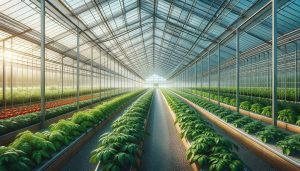
The Toltec Empire was once the undisputed superpower of Mesoamerica. In the 10th century, they mastered their environment with massive agricultural systems and complex trade networks. They built huge cities in the desert, assuming the good times would last forever.
But their entire civilization was built on a fragile foundation: predictable weather.
When a 650-year megadrought hit around 1150 AD, their agricultural machine ground to a halt. The crops failed. The tribute system collapsed. Internal disputes tore the power structure apart. The empire didn’t fall to a superior foreign army; it collapsed from within because it ran out of water. The survivors were forced into a mass migration.
America is repeating this exact pattern right now.
The American West is running out of water. The Colorado River is facing a catastrophic shortfall, with flows shrinking 20% since 2000. Lake Powell is only 25% full, and Lake Mead is sitting at 34%. Colorado just had its worst snowpack since statewide recordkeeping began in 1941. We have built massive, water-intensive cities in the desert, assuming the climate would never change.
As the water stops flowing, agricultural yields will plummet. Food prices will surge. Political balkanization over water rights will accelerate. Federal plans to ration water are already sparking legal wars between states, and over 64,000 Americans face a total loss of drinking water in critical systems.
The Toltec survivors were the ones with tools, seeds, and skills that didn’t depend on the imperial water supply. Real wealth is what you can grow, build, and fix — not what you can pipe in from a failing reservoir.
Here is how you can build true water independence on your homestead today.
1. Rainwater Harvesting: Your First Line of Defense
When the municipal pipes run dry, the sky is your only backup. Rainwater harvesting is the most direct way to secure your own water supply.
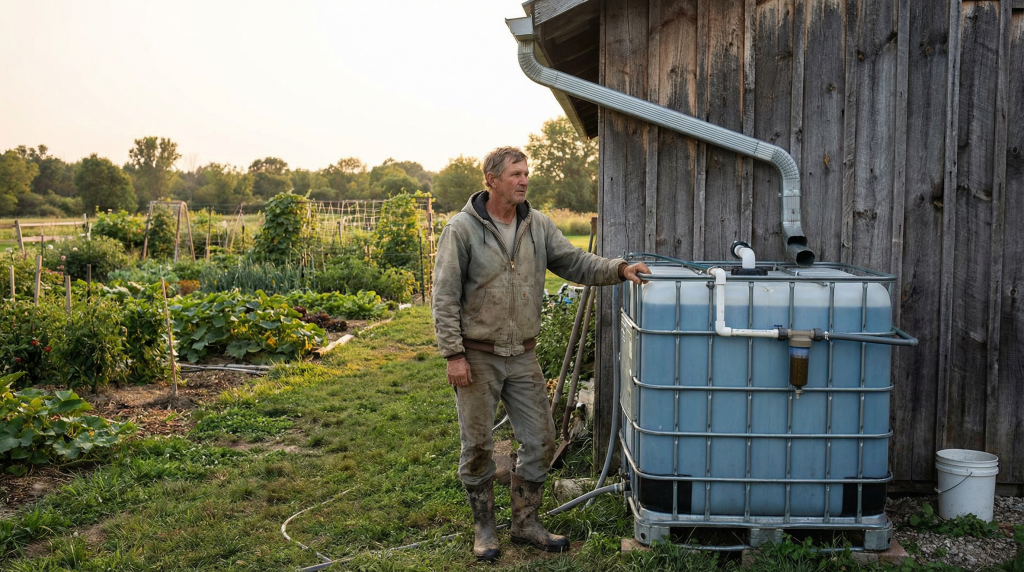
You don’t need a massive, expensive system to start. A simple 55-gallon rain barrel connected to your gutter downspout can collect hundreds of gallons of water during a single storm. This water is perfect for your garden, livestock, and emergency sanitation.
Here is what you need to get started:
| Item | Estimated Cost |
|---|---|
| Food-grade 55-gallon barrel (sourced locally) | $20–$50 |
| Downspout diverter kit | $30–$40 |
| Spigot and basic plumbing tape | $15 |
The Action Step: Set up one rain barrel this weekend. Place it on cinder blocks to create gravity pressure. Connect your diverter to the downspout. Once you see how easy it is to collect 55 gallons, you can scale up to 275-gallon IBC totes or even larger cisterns.
2. Greywater Recycling: Double Your Water Efficiency
Most homes use water once and send it down the drain. In a drought, this is a massive waste. Greywater is the gently used water from your bathroom sinks, showers, tubs, and washing machines. It is not safe to drink, but it is perfectly safe for watering trees, shrubs, and ornamental plants.
By routing your washing machine discharge to your landscape, you can save thousands of gallons of fresh water every year.
| Item | Estimated Cost |
|---|---|
| 3-way diverter valve for washing machine drain | $40 |
| 1-inch PVC or flexible tubing to run to garden | $30 |
| Mulch basins around plants | Free (use yard waste) |
The Action Step: Install a “laundry-to-landscape” system. It requires no permits in many areas and can be built in an afternoon. Use biodegradable, plant-safe laundry detergent. Route the water to fruit trees or berry bushes. You are now watering your food supply every time you wash your clothes.
3. Drought-Resistant Gardening: Grow More with Less
The Toltecs failed because their crops required too much water. You must adapt your garden to survive on less.
Traditional row gardening loses massive amounts of water to evaporation. Instead, you need to build soil that acts like a sponge.
| Item | Estimated Cost |
|---|---|
| Organic compost and mulch | Free (DIY) or $30/yard |
| Shade cloth or shade structures | $20–$50 |
| Drip irrigation tubing (starter kit) | $40 |
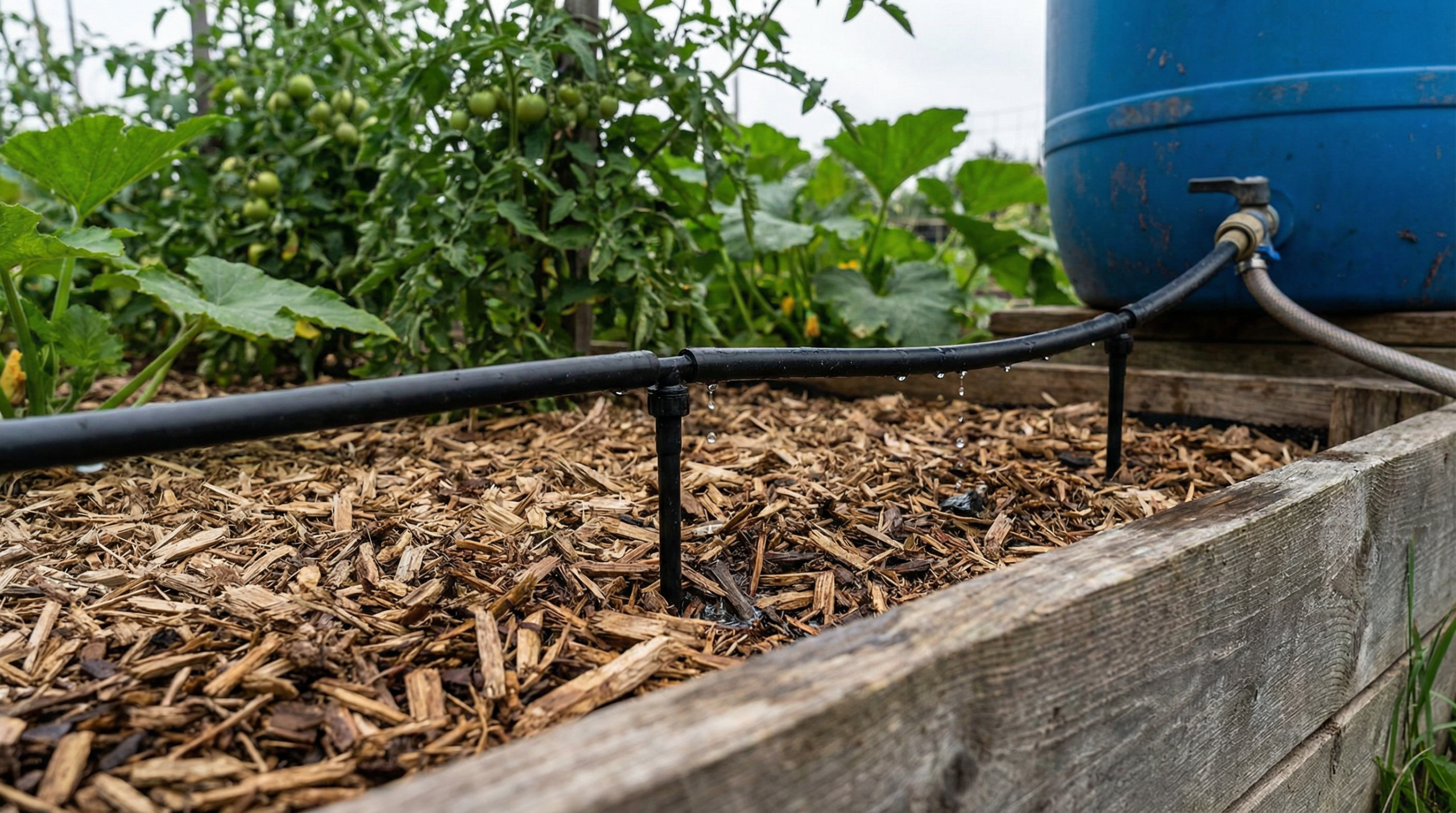
The Action Step: Stop using overhead sprinklers. Install a simple drip irrigation system under a thick layer of wood chip mulch. The mulch prevents evaporation, and the drip lines deliver water directly to the roots. Consider planting “Three Sisters” style — corn, beans, and squash — which naturally shades the soil and retains moisture.
If you want to master low-water, high-yield gardening, check out the 4ft Farm Blueprint for strategies on growing massive amounts of food in small, efficient spaces.
4. Emergency Water Filtration: Making Any Water Safe
Collecting water is only half the battle. You must be able to make it safe to drink. If the grid goes down, you cannot rely on boiling water alone — it takes too much fuel.
You need a gravity-fed water filtration system that can remove bacteria, cysts, and heavy metals from questionable water sources.
| Item | Estimated Cost |
|---|---|
| Two food-grade 5-gallon buckets | $10 |
| Ceramic or carbon water filter elements | $60–$100 |
| Clean spigot | $10 |
The Action Step: Build a DIY gravity filter. Drill holes in the bottom of the top bucket and the lid of the bottom bucket. Install the filter elements. Pour dirty water in the top, and clean water drips into the bottom. This system can filter thousands of gallons of water without electricity or water pressure.
The Bottom Line: Start Building Today
The Toltec Empire collapsed because they trusted a centralized system that was doomed to fail. The American water system is showing the exact same cracks.
Do not wait for the reservoir to run dry. Start building your water independence today. Set up a rain barrel. Reroute your greywater. Mulch your garden. Build a water filter.
Real wealth is what you can grow, build, and fix.
If you want to protect your family’s financial future while you build your physical homestead, you need to understand how the coming crisis will impact your savings. Get your FREE Special Report: How To Survive The Next Financial Crisis and learn how to secure your assets before the system breaks.