
Your Daily Install connects what’s happening now with a useful lesson from the past—and one small thing you can do at home.
Print the worksheet, fill it in, and add it to your Household Resilience Network binder.
What’s happening now?
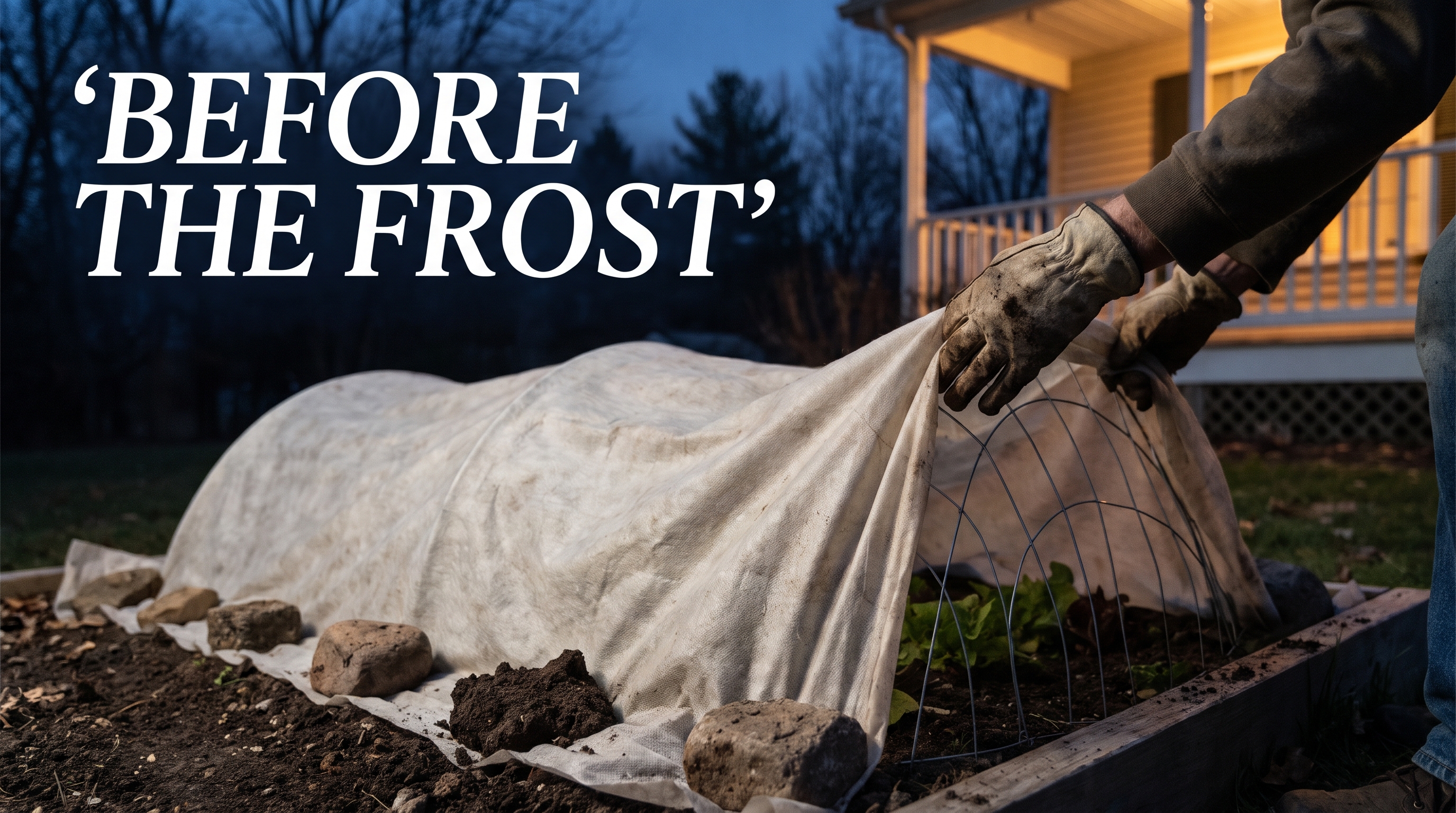
The sheet is ready. The plant is covered. But the cloth stops above the soil, like a coat tied around the leaves. Where will the warmth come from?
Today, the National Weather Service’s St. Louis office warns of a freeze late tonight into Saturday morning. Check your own local forecast; this warning does not cover every reader.
A frost cover does not make heat. It helps hold warmth from the ground. That means the soil belongs inside the shelter, too. Before dark, check one cover’s fit—not just whether you own a sheet.
Has this happened before?
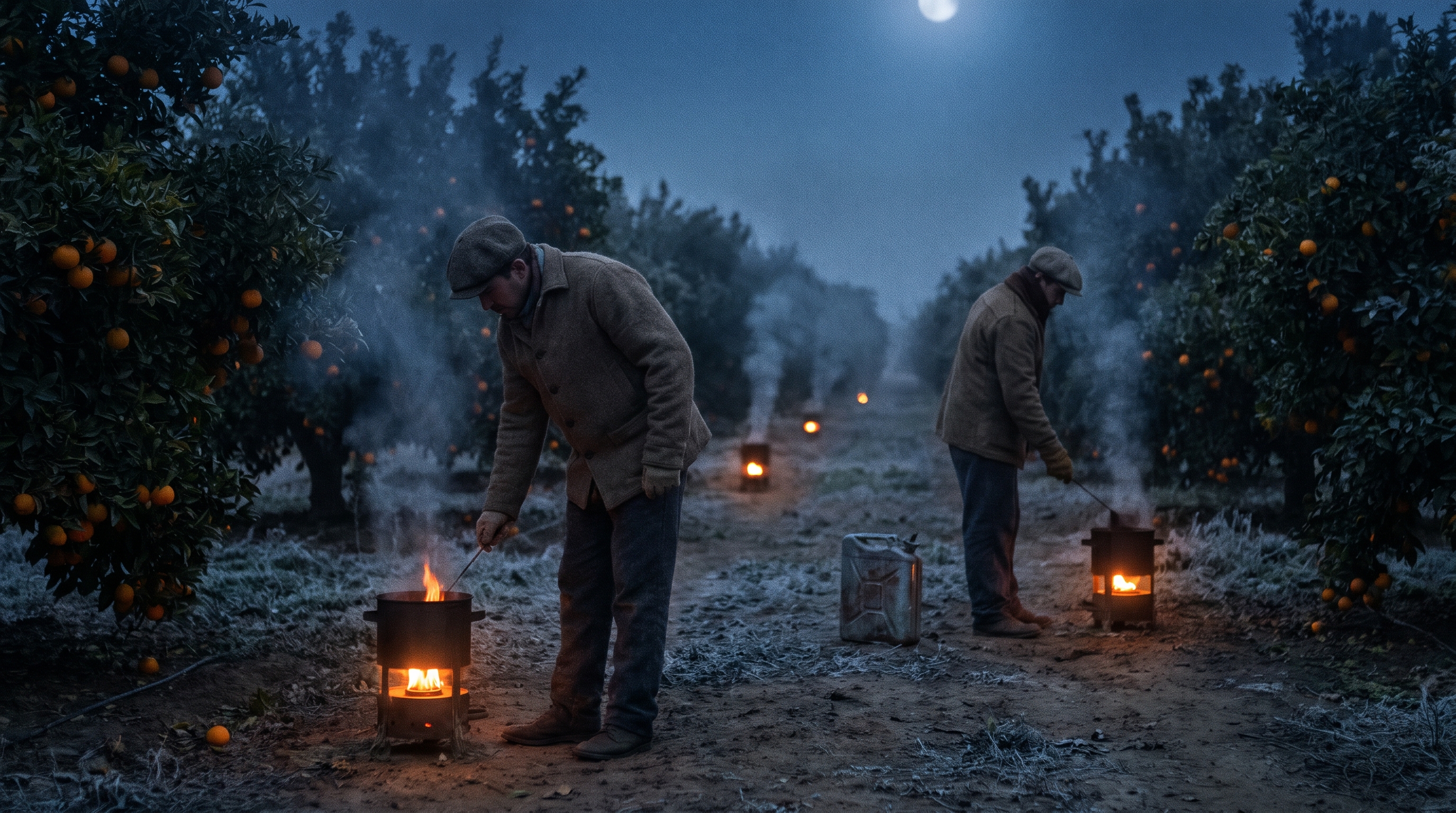
In 1913, cold tore through California citrus country. San Dimas had advertised itself as frost-free. Then trees froze, leaves browned and bark split. The promise of a mild climate could not save the groves.
Growers used metal oil burners between the trees. But a heater was only the end of a much longer chain. Fuel arrived by rail, went into large tanks, then had to be trucked to each grove.
Workers filled the pots, lit them and stayed nearby to refill them. The forecast could turn an ordinary evening into a night of work.
A San Dimas history describes families listening for the eight o’clock radio frost report. At community meetings, one person listened and phoned the forecast back to the group.
The alert mattered because people had something ready to do. Without fuel, workers and equipment in place, knowing that cold was coming would not protect a single orange.
What happened next?
Keeping the heaters going took money and long hours. Smoke and soot reached nearby homes and shops. Crop protection brought costs that spread beyond the orchard.
By the early 1960s, wind machines were gradually replacing the old smudge pots in the San Dimas account. The tools changed. The job remained: manage the conditions around the crop when the night turns cold.
Your sheet is a much smaller tool. Its job is to slow heat loss, not burn fuel. Ask: am I covering only the plant, or also the ground that helps warm it?
Why are the first steps the stiffest?
You stand up, then wait for those first stiff steps to ease. This joint-support video starts with the fluid inside your joints. What does that have to do with its daily formula?
| Watch the Joint-Fluid Story → |
What can I do?
Give one small setup 15 minutes. Use a dry sheet or frost cloth, low supports and stones you already have. For a pot you can safely move, a suitable sheltered spot may be the easier choice.
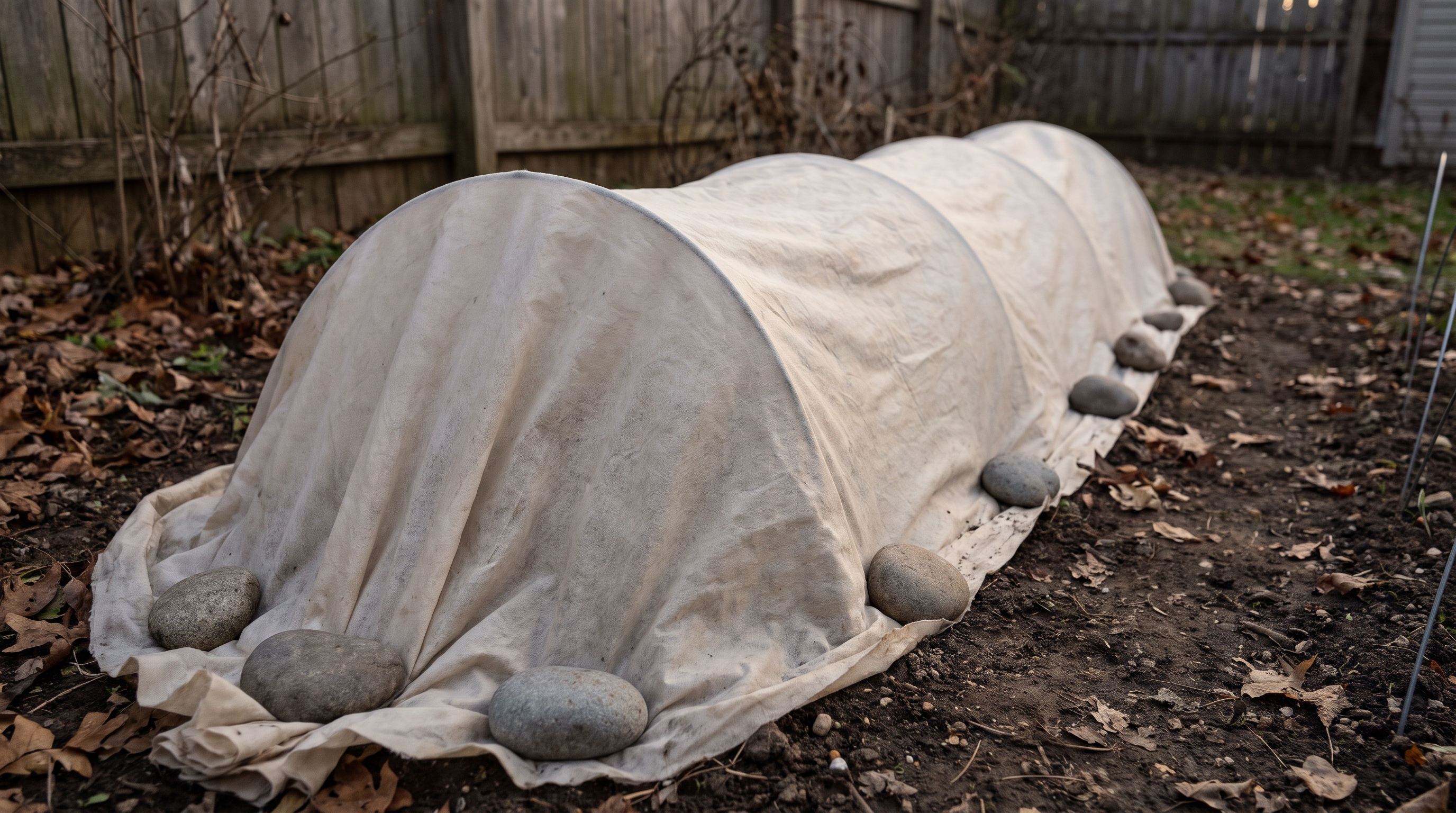
Use the worksheet to make the cover fit and plan the morning check. A sheet may fail in a hard or long freeze. Do not put candles or heaters underneath it.
My Before-Dark Frost Plan
1. Check the need
☐ Cover in place ☐ Move a pot ☐ Dry fit for later
2. Make it fit
☐ Cloth is dry.
☐ Supports hold it off the leaves.
☐ All edges reach soil and are held down.
3. Plan the next check
Remove the sheet when temperatures rise above freezing. Follow the directions for purpose-made frost cloth.
Today’s win: one cover fits, or one pot has a suitable sheltered place. The next check is on the calendar—not left for you to remember.
What if the next handful came from home?
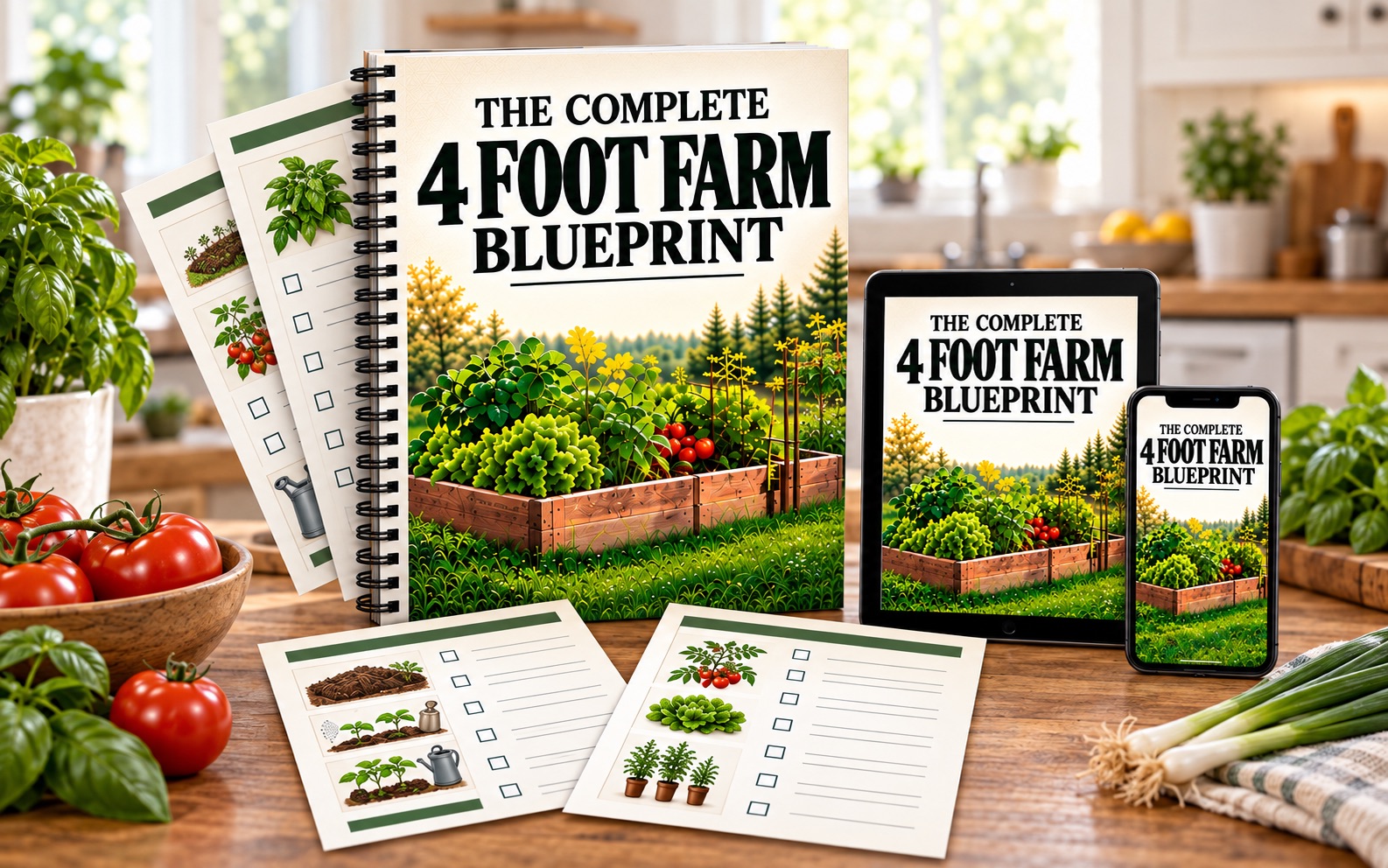
Herbs for dinner. Greens for a sandwich. The COMPLETE 4 Foot Farm Blueprint shows how to start with food you already eat, using a small outdoor spot or an indoor setup.
See the current $7 offer: all 10 Action Plans, both bonuses and instant digital access.
| See the $7 Modern Victory Garden → |
Stay steady,
Ethan Archer
Homesteader Depot
P.S. What would you protect first from a frost: herbs, vegetables or something else? Hit reply and tell me. Forward this to someone with a plant still outside.
P.P.S. Two useful next reads: