
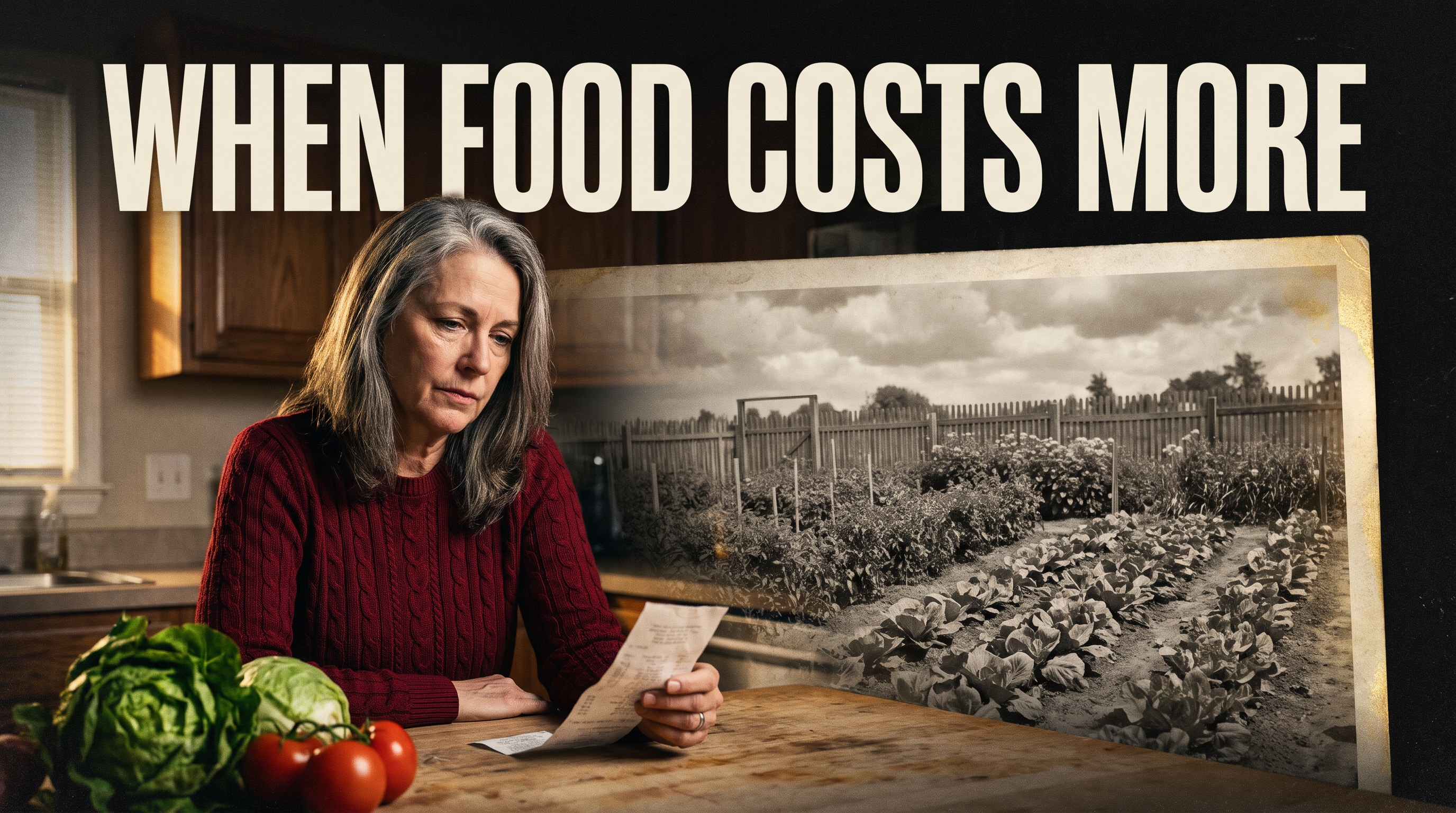
Your Daily Install connects what’s happening now with a useful pattern from the past—and one simple step you can take today to make your household more resilient.
Print the action worksheet below, fill it in, and add it to your Household Resilience Network binder.
What’s happening now?
On October 23, USDA released its new food-price outlook. It expects fresh vegetable prices to average 5.8% higher in 2026 than in 2025. Its forecast for groceries overall is a smaller 2.3% rise.
Those figures compare yearly averages. They are not a new increase to add to today’s price tag.
Here is why that matters at home: the average grocery number may not match the foods you keep putting in your cart.
If your usual fresh foods rise faster than other items, the same meals can take a bigger bite from the budget. You can watch for a better price. You can also ask a second question: could I learn to grow a little of this myself?
Has this happened before?
In 1943, the White House had a young food grower: 11-year-old Diana Hopkins, daughter of presidential adviser Harry Hopkins. Eleanor Roosevelt wanted a vegetable plot on the lawn. Diana helped tend it with her shovel and rake.
Across the country, families were facing a harder food problem. War had strained the workers, equipment and transport needed to get meals onto tables. Growing vegetables at home became part of the response.
But a seed packet alone did not teach a beginner what to do.
So people got help turning the idea into food. USDA put out guides. Local groups helped people find land, tools and seeds. Classes taught new growers. The work moved from a national appeal to ordinary households learning a useful skill.
What happened next?
By 1944, the effort had grown far beyond the White House. The Smithsonian estimates that about 18–20 million families with Victory Gardens supplied roughly 40% of America’s vegetables.
The result came from many small plots, steady work and shared help. Families added food to the supply and learned skills they could use again.
Here is the pattern to notice: when buying food becomes harder, knowing how to produce some of it gives you another option.
Today’s price forecast is not wartime rationing. But that household lesson still fits. You can learn a small food-growing skill while you have time to practice.
When the next price headline lands, ask: which food do we keep buying—and could we grow a little of it here?
Would you know food from a weed?
You can name the vegetables in the produce aisle. What about the plants growing a few steps from your door?
Some look familiar. That does not mean you know what they are.
Open Foraging Secrets. Look at the photos and plant details—and see what you have been walking past.
What can I do?
Set up one small growing spot today. Give it 15 minutes. Loose-leaf lettuce is a useful first crop if your household eats it.
Clear a stable spot near a suitable light source. Put one clean, food-safe container with drainage holes on a tray. A compact grow light can help when window light is weak.
If you have potting mix and seeds, fill the container, moisten the mix and sow as the seed packet directs. Otherwise, leave the spot and container ready, and list only the supplies you need. Use the worksheet to record what you finished.
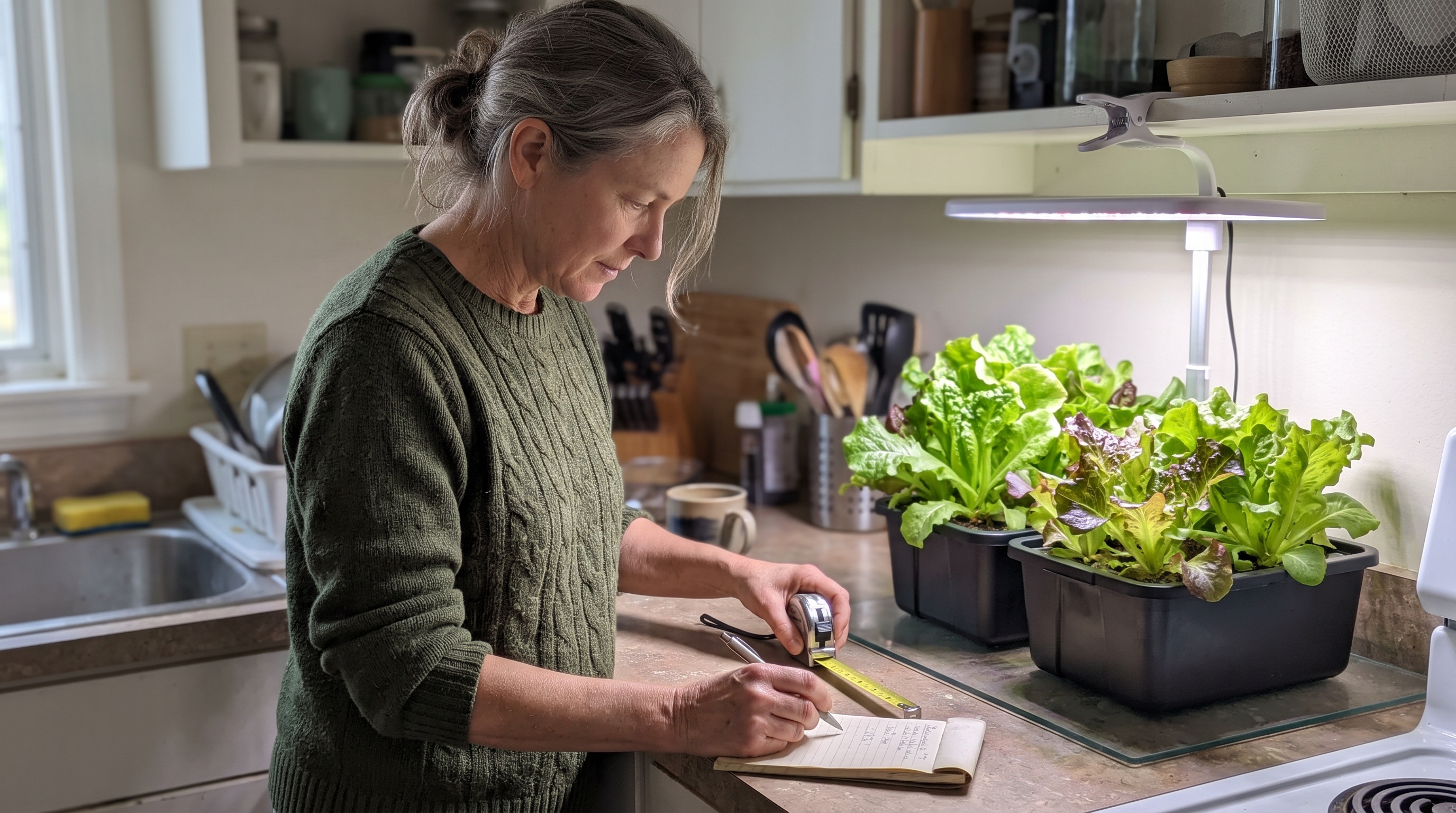
Illustrative indoor growing spot. Start with one container and a tray; add to the setup as you learn.
My First Grow Spot
Print, fill in and file under Food Production. Clear one spot. Set out one container and tray. Plant if your supplies are ready.
1. Choose a food we eat
Our first food:
Where we will use it in a meal: _______________
2. Put the setup in place
Our growing spot:
Space: _____ inches wide x _____ inches deep
☐ Spot cleared and measured
☐ Clean, food-safe container with drainage
☐ Tray in place to catch water
Light: ☐ Suitable existing light ☐ Grow light
3. Take the next small step
☐ Potting mix moistened; seeds sown per packet
☐ Spot and container ready; supplies still needed
Only missing supplies:
My spending limit: $_____
If supplies are missing, I will get them by: _______
4. Keep it going
Next light / moisture check:
Setup cost so far: $_____
First harvest date / amount:
What other food could we learn to grow later?
Follow the seed packet and grow-light directions. Check moisture regularly. Record costs and harvests to see what the setup actually provides.
Today’s win: a growing spot cleared, a container and tray in place, and seeds sown if you had the supplies. You have moved the project out of your head and into your home.
What if the next handful came from home?
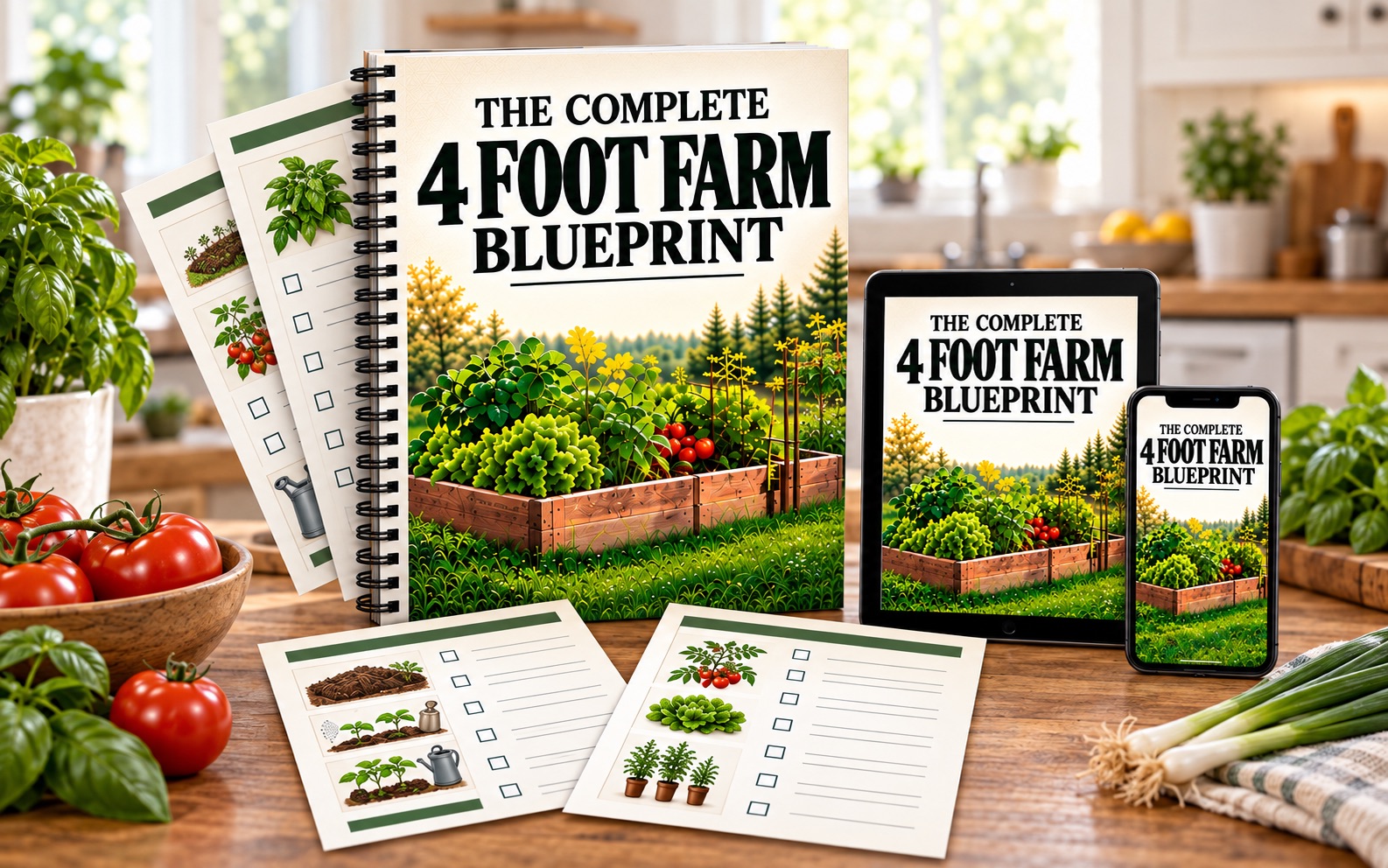
You reach for greens, herbs or tomatoes—and put them back on the shopping list. Again.
You can learn to grow a little of that food right where you live. Our friends at 4 Foot Farm put the steps in the COMPLETE Blueprint. Small-space setups. Pictures to follow. Indoor options with a simple grow light.
Pick a food you love. Tap below and see how to get your first small setup going.
| Tap Here to See the COMPLETE Blueprint → |
Stay steady,
Ethan Archer
Homesteader Depot
P.S. Did you clear a grow spot, set out a container, or sow seeds? Hit reply with the step you finished. Forward this to someone who could use a small, useful start.