
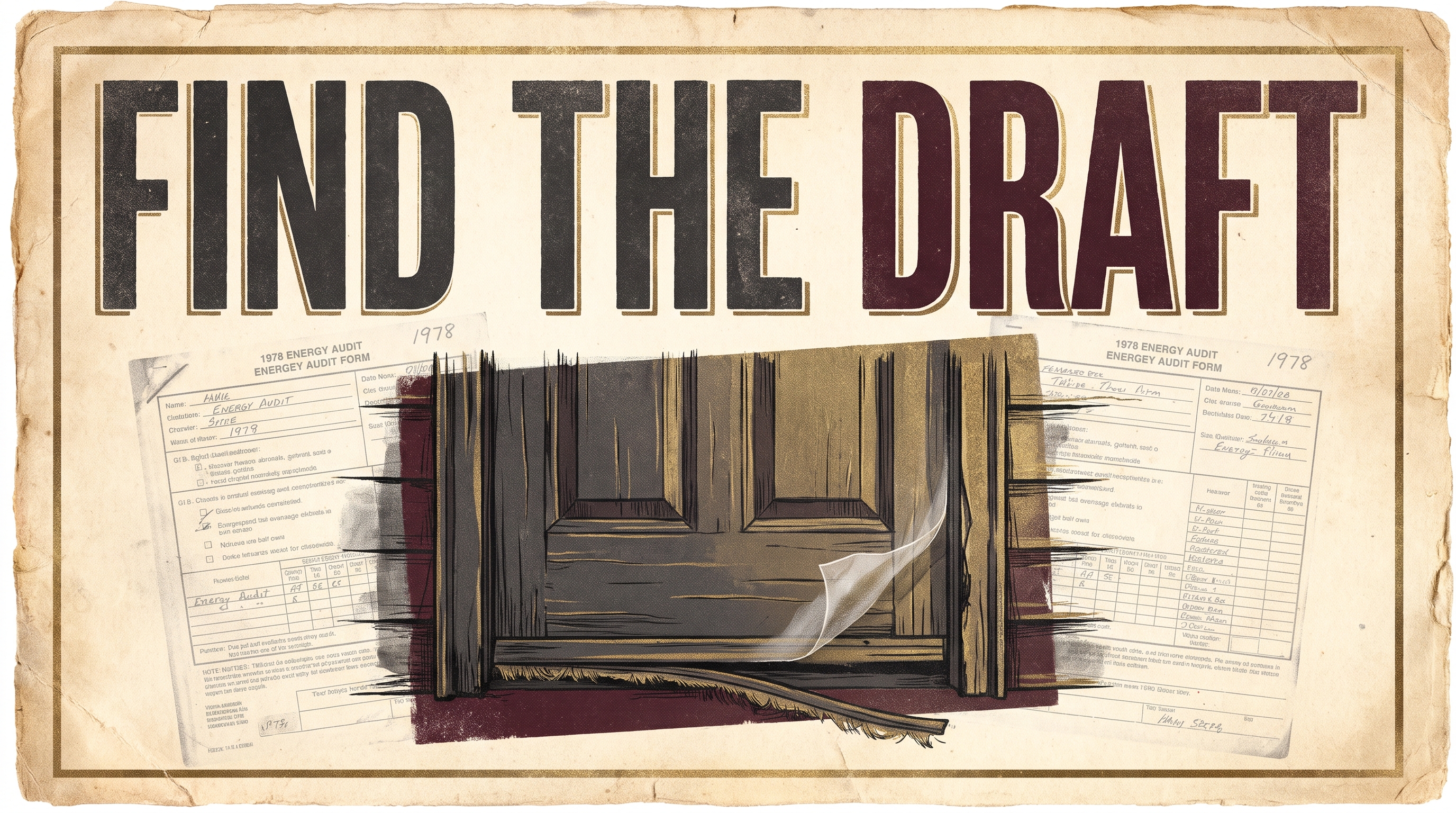
Your Daily Install connects what’s happening now with a useful pattern from the past—and one simple step you can take today to make your household more resilient.
Print the action worksheet below, fill it in, and add it to your Household Resilience Network binder.
What’s happening now?
You turn up the heat. The chair near the door still feels cold. Before buying another gadget, take a closer look at that door.
October 30 is Weatherization Day, and this year marks 50 years of the federal Weatherization Assistance Program. Its basic lesson still fits a home of any size: look for the waste before choosing the repair.
Today, find one draft you can point to. You do not have to solve the whole house.
Has this happened before?
In 1978, the Department of Energy published Project Retro-Tech. It was a paper-based home check designed to help find changes that could save the most energy for the money spent.
The work could be plain: find air leaks, choose suitable sealing work, add insulation where it made sense. The plan started with the house—not a shopping list.
That mattered when a family had only so much money to put toward keeping warm.
What happened next?
Home energy checks became part of a more organized way to choose weatherization work. The point was to direct limited money toward the problems actually found.
The pattern: find, then fix. A paper strip is not a full home energy check. But it can help you describe one draft instead of paying for a fix you only hope will work.
That “weed” may deserve a second look.
You pull it out. Throw it away. Someone who knows wild plants stops to look closer. What do they see that you do not? Start with the familiar yellow flower.
Tap Here to Look Inside the Wild-Food Guide →What can I do?
Take 10 minutes at one closed exterior door. Look for torn weatherstripping, a loose sweep or daylight around the frame. Feel for moving air with your hand. On a breezy day, hold a light strip of tissue near the seam and watch for movement.
Photograph the spot. Write whether the gap is along the side, top or bottom. If you rent, that picture and note can help you ask the landlord for a specific repair.
Do not use a flame or smoke test. Do not block vents, flues or needed air openings. A stubborn draft, moisture problem or heating concern calls for a qualified check—not sealing every opening you can find.
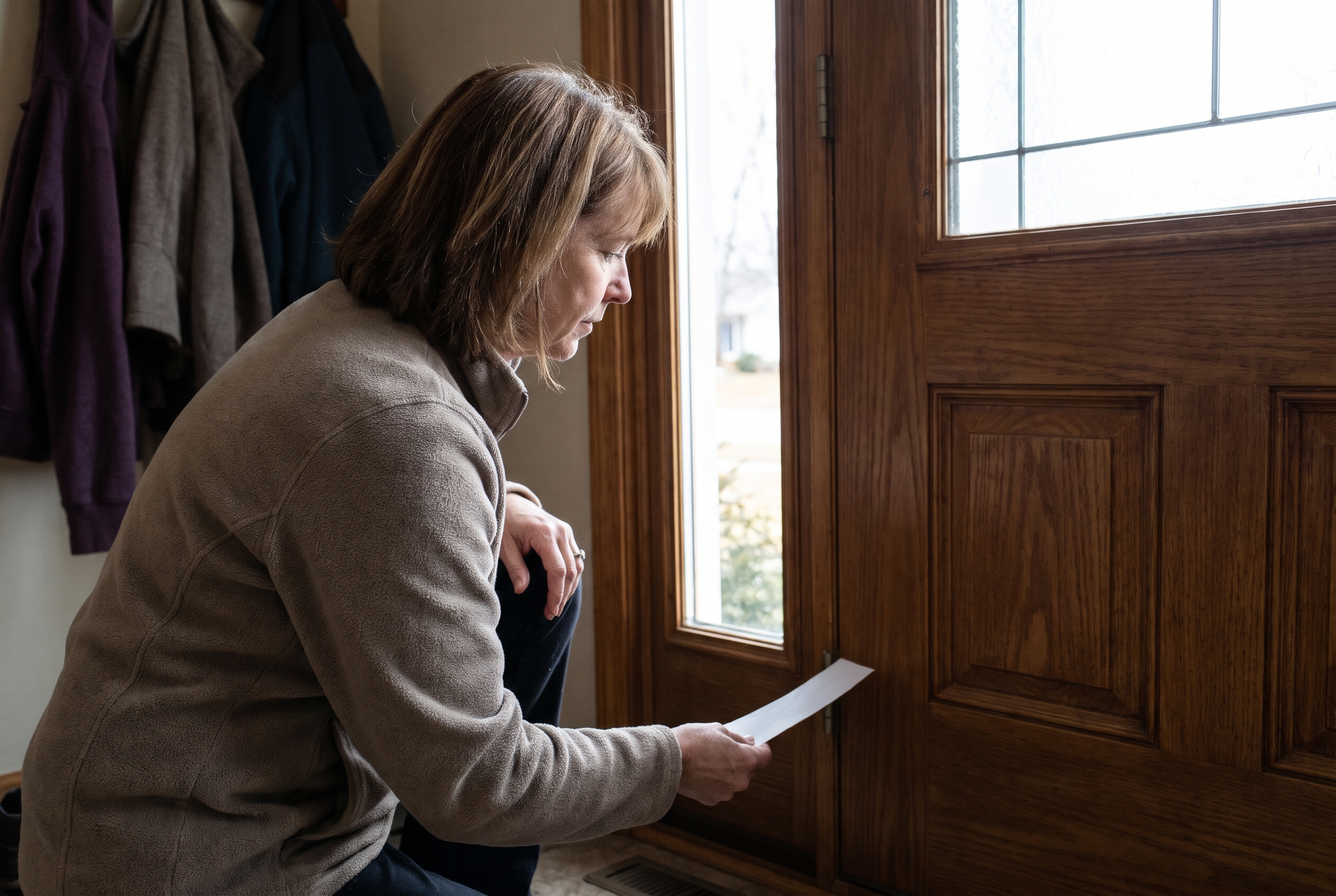
Illustrative household example. Use the worksheet for your own details.
My One-Door Draft Check
Date: __________ File under: Home Upkeep
Find the spot
Door checked:
Gap: ☐ Side ☐ Top ☐ Bottom ☐ None found
What I saw or felt:
Plan the right next step
☐ Photo saved. ☐ Repair request needed.
Person or store to ask:
Next step / date:
Today’s win: You can point to one problem—or cross one door off your list—before spending on a fix.
The phone is dead. Where are the instructions?

You saved that useful how-to. Now you cannot get the screen to turn on.
Put practical food and household skills somewhere you can open without a charger. The Lost Frontier Handbook brings pictures and steps onto paper.
Which skill would you want within reach before the next interruption? Take a look inside.
| Tap Here to Look Inside the Printed Handbook → |
Stay steady,
Ethan Archer
Homesteader Depot
P.S. Where does your home feel draftiest? Reply with the spot. Share this with someone trying to make one winter repair at a time.
P.P.S. You do not need a big plot to put homegrown food on the table. Our friends at 4 Foot Farm show the small-space steps in pictures. Which food could you start with? Tap Here to See the COMPLETE Blueprint →