
Your Daily Install connects what’s happening now with a useful lesson from the past and one small thing you can do at home.
Print the worksheet, fill it in, and add it to your Household Resilience Network binder.
What’s happening now?
The rain barrel did its job all summer. Now the garden is slowing down, and the barrel is still catching everything the roof sends it.
The weather outlook for parts of the Pacific Northwest calls for more heavy rain early next week. Elsewhere, some areas are getting their first hard cold of the season. If your barrel is due to come out of service, plan where the next rain will go before you disconnect it.
Water expands as it freezes. Water left in a barrel or fitting can damage it. And a disconnected barrel leaves a second question: where does the downspout empty now?
Has this happened before?
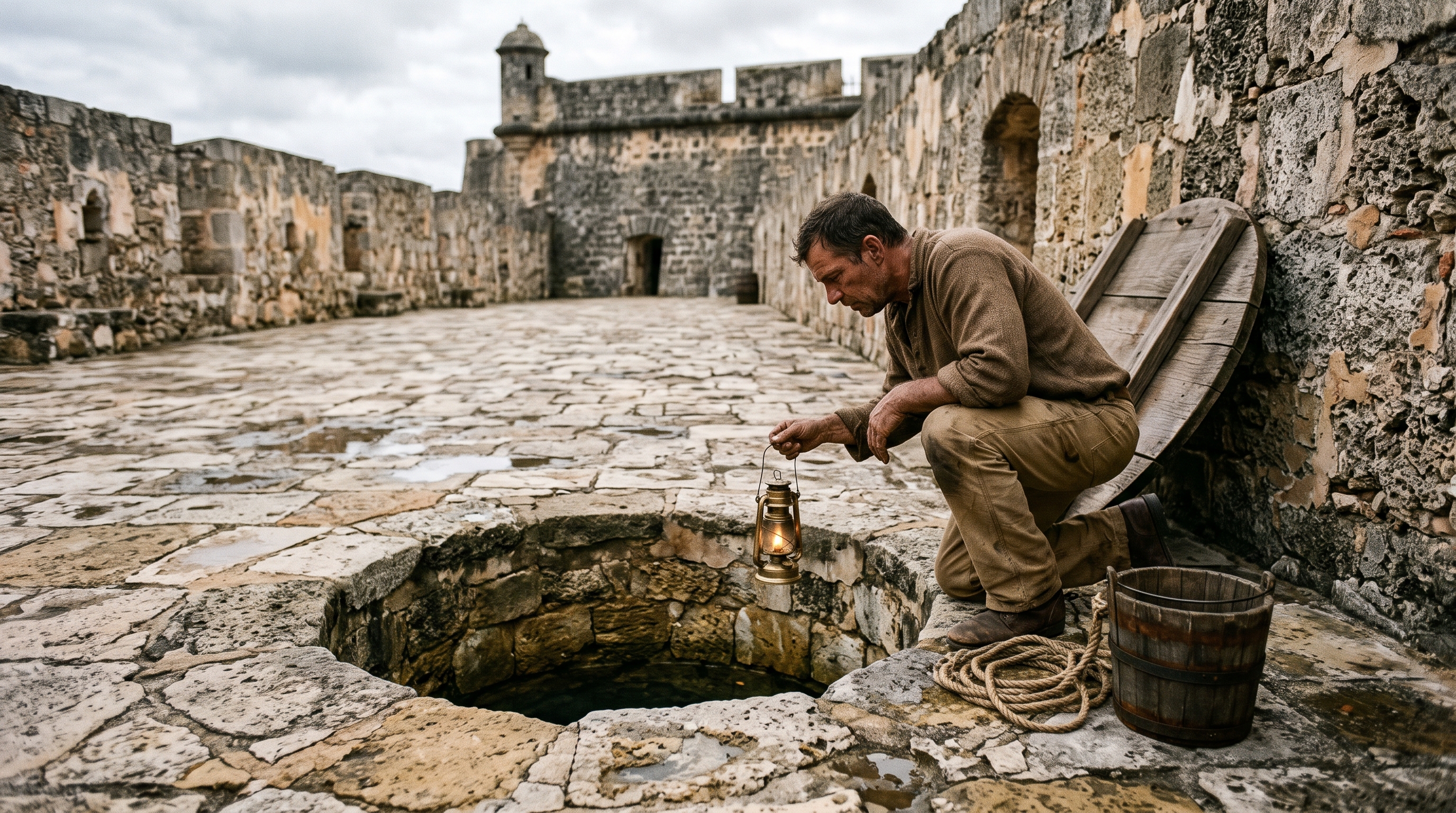
In the middle of the 1700s, Spanish builders in San Juan, Puerto Rico, put large water tanks called cisterns beneath the plazas of the city’s forts. The roofs and paved areas collected rain. A system of drains moved it toward storage.
A cistern by itself could hold a lot of water. To collect that water, the builders needed the rest of the route to work. A surface had to catch the rain. A drain had to carry it. The tank needed a way to let people draw it back out when they needed it.
In 2011, the National Park Service announced the restoration of several of those cisterns at El Morro and San Cristóbal. The restored system was meant to supply water for uses such as maintenance and restrooms. The buildings could make use of rain again because the tanks and the paths that fed them worked together.
What happened next?
San Juan’s builders were solving a water storage problem on a far larger scale. Your barrel has a simpler job. The useful connection is that storage is one part of a path.
When the barrel comes out, the rain still needs somewhere to go. If you drain a barrel and leave the roof emptying beside the wall, you may have traded a cracked barrel for a puddle against the house.
Check the barrel maker’s winter instructions and make a full downspout path before you put the tools away.
What other jobs could you do with tools you already own?
Take a look around the shed before you buy another tool. This handbook collects home and garden skills that start with familiar gear.
| Watch the Handbook Preview |
What can I do?
Take 15 minutes on a dry day. Follow the barrel maker’s directions to disconnect and empty it. Drain away from the foundation. Reconnect a normal downspout or use the winter setting on a diverter designed for it. Do the work from ground level and get help before moving a heavy barrel.
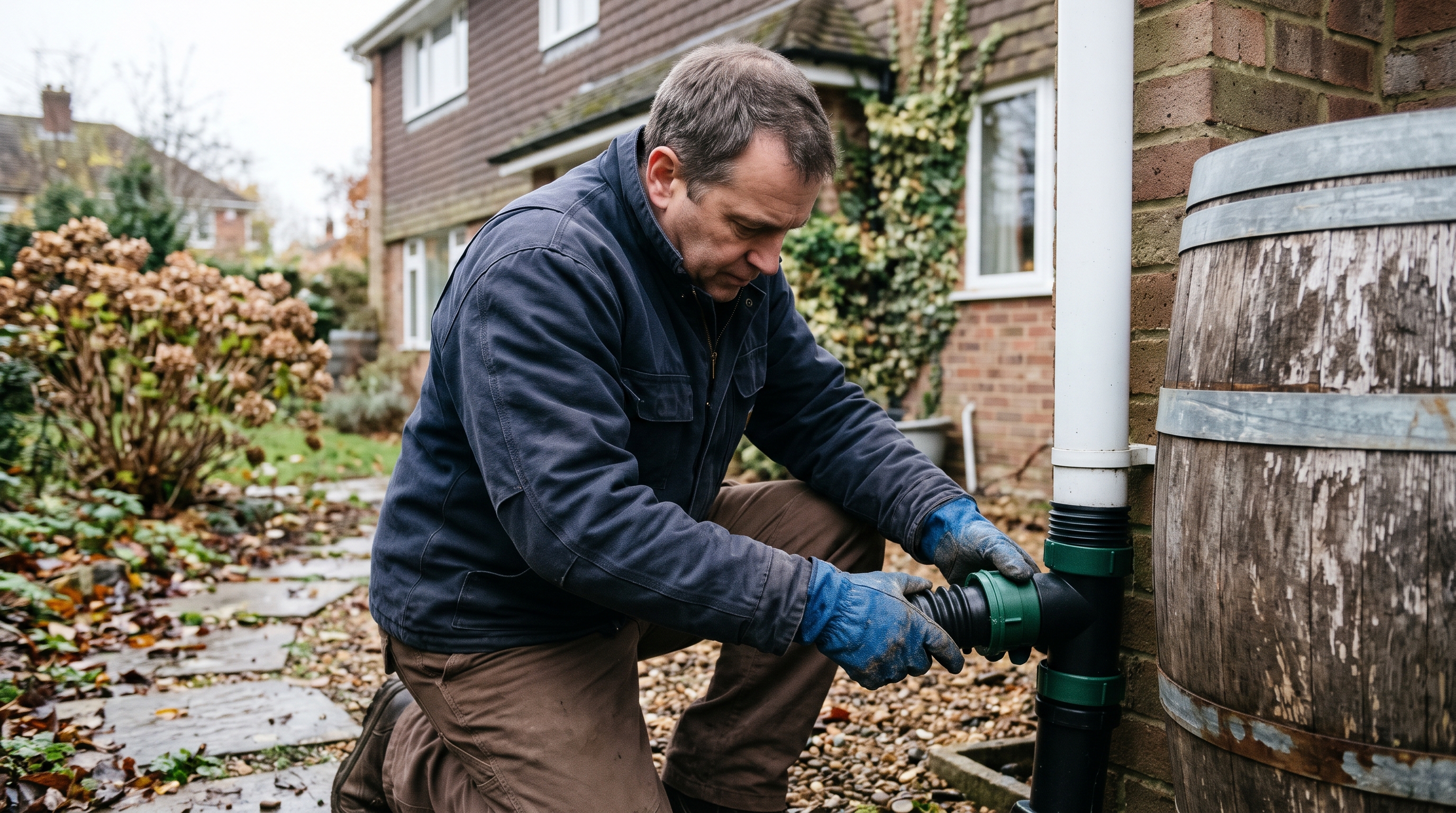
My Winter Downspout Setup
☐ I finished the check or set a date for the next step.
Today’s win: one barrel is empty and the roof has a clear route away from the house.
Could that spare pot earn a place by the door?

A spare pot can give you a place for something you use at dinner. Start with a food that fits the light you have. The Modern Victory Garden lays out the steps in pictures.
| See the Modern Victory Garden → |
Stay steady,
Ethan Archer
Homesteader Depot
P.S. What usually holds you up when you put outdoor gear away for winter? Hit reply and tell me. Forward this to someone with a rain barrel still hooked up.
P.P.S. Two useful next reads: