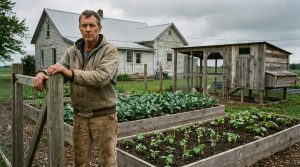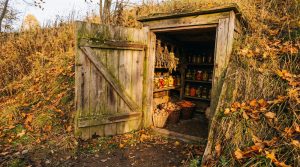
Imagine stepping into your backyard and having a pharmacy at your fingertips. A vibrant, fragrant garden filled with plants that can soothe a sore throat, heal a cut, or ease a headache. This isn’t just a dream; it’s the reality of growing your own medicinal herb garden.
Building a natural medicine cabinet is an empowering way to embrace self-sufficiency. It connects you to the earth and provides natural remedies for everyday ailments. This article will guide you through creating your own medicinal herb haven.
Let’s explore how you can cultivate health and wellness right outside your door. Get ready to dig in and discover the wonders of medicinal herbs!
Planning Your Medicinal Herb Garden
Before you start planting, careful planning is key. Consider your space, climate, and the specific ailments you want to address. A well-thought-out plan will save you time and resources in the long run.
Think about what you commonly need remedies for. Is it sleep issues, skin irritations, or digestive upset? Tailor your garden to your specific needs.
Assessing Your Space and Climate
First, evaluate the available sunlight in your garden. Most medicinal herbs thrive in at least six hours of sunlight per day. However, some tolerate partial shade, which is important to know. You can use a sun calculator or track sunlight throughout the day.
Next, consider your climate zone. This will determine which herbs will flourish in your area. Look up your zone on the USDA Plant Hardiness Zone Map.
Finally, assess your soil. Most herbs prefer well-drained soil. Amend heavy clay soil with compost and organic matter to improve drainage. A soil test can give you valuable insights into pH levels and nutrient content.
- Full Sun: At least 6 hours of direct sunlight.
- Partial Shade: 3-6 hours of direct sunlight, or filtered sunlight throughout the day.
- Soil Drainage: Water should drain quickly, not pool on the surface.
Choosing Your Herbs
Now for the fun part: selecting your herbs! Start with a few easy-to-grow varieties that address common ailments. As you gain experience, you can expand your garden to include more specialized herbs.
Consider these popular and versatile choices:
- Chamomile: Known for its calming and sleep-promoting properties.
- Lavender: Soothes anxiety, promotes relaxation, and can be used topically for skin irritations.
- Mint: Aids digestion, relieves headaches, and freshens breath.
- Calendula: Heals wounds, soothes skin irritations, and has anti-inflammatory properties.
- Echinacea: Boosts the immune system and helps fight colds and flu.
Research the specific growing requirements for each herb you choose. Some herbs prefer acidic soil, while others prefer alkaline soil. Matching the herb to its needs is important.
Designing Your Garden Layout
Consider creating a dedicated medicinal herb garden bed or incorporating herbs into your existing landscape. Group herbs with similar needs together. This simplifies watering and maintenance.
Think about accessibility. Place frequently used herbs close to your house for easy harvesting. Also, consider companion planting, where certain herbs benefit each other when planted together.
Here are a few layout ideas:
- Raised Beds: Provide excellent drainage and are easy to maintain.
- Container Gardening: Perfect for small spaces or balconies.
- Herb Spiral: A visually appealing and space-saving design.
Preparing the Soil
Healthy soil is the foundation of a thriving herb garden. Take the time to prepare your soil properly before planting. This will give your herbs the best possible start.
Regardless of your chosen design, soil prep is crucial. Consider adding compost to the soil.
Amending the Soil
Begin by clearing the area of any weeds, rocks, or debris. Loosen the soil with a garden fork or tiller to a depth of at least 12 inches. This allows roots to penetrate easily.
Incorporate plenty of organic matter, such as compost, aged manure, or leaf mold. This improves soil structure, drainage, and fertility. A general rule is to add at least 2-4 inches of organic matter.
Consider adding natural soil amendments based on your soil test results. For example, lime can raise the pH of acidic soil, while sulfur can lower the pH of alkaline soil. Follow the instructions on the product label carefully.
Testing Your Soil
A soil test can provide valuable information about your soil’s pH level and nutrient content. You can purchase a soil test kit at your local garden center or send a sample to a soil testing laboratory. Follow the instructions provided with the kit or laboratory.
Soil pH is a measure of its acidity or alkalinity. Most herbs prefer a slightly acidic to neutral pH of 6.0-7.0. Adjust the pH as needed based on your soil test results.
The soil test will also indicate the levels of essential nutrients, such as nitrogen, phosphorus, and potassium. Amend the soil with fertilizers as needed to provide these nutrients. Choose organic fertilizers whenever possible.
low the instructions on the seed packet for planting depth and spacing. Keep the soil moist until the seeds germinate. Thin the seedlings as needed to provide adequate spacing.
Space your herbs according to their mature size. Overcrowding can lead to poor air circulation and increased susceptibility to disease. Use mulch to suppress weeds, retain moisture, and regulate soil temperature.
Caring for Your Medicinal Herb Garden
Once your herbs are planted, consistent care is essential for their health and productivity. This includes watering, weeding, fertilizing, and pest control. A little bit of attention goes a long way.
Regularly inspect your plants for signs of pests or diseases. Early detection and treatment can prevent serious problems. Remember, healthy plants are more resistant to pests and diseases.
Watering and Fertilizing
Water your herbs regularly, especially during dry periods. Water deeply and less frequently to encourage deep root growth. Avoid overwatering, which can lead to root rot. Check the soil moisture by sticking your finger into the soil. It should feel slightly moist.
Fertilize your herbs sparingly. Too much fertilizer can result in leggy growth and reduced flavor. Use a balanced organic fertilizer or compost tea every few weeks during the growing season.
Consider using a drip irrigation system or soaker hoses to deliver water directly to the roots. This reduces water waste and minimizes the risk of foliar diseases.
Weeding and Pest Control
Weeds compete with your herbs for water, nutrients, and sunlight. Remove weeds regularly by hand or with a hoe. Mulching can help suppress weed growth.
Monitor your herbs for signs of pests, such as aphids, spider mites, or whiteflies. Control pests with natural methods, such as insecticidal soap, neem oil, or diatomaceous earth. Encourage beneficial insects, such as ladybugs and lacewings, to prey on pests.
Prevent diseases by providing good air circulation, avoiding overwatering, and removing any diseased leaves or stems promptly. Consider using a copper fungicide or other organic fungicide if necessary.
Harvesting and Preserving Your Herbs
Harvesting your herbs at the right time is crucial for maximizing their medicinal properties. Learn how to harvest and preserve your herbs properly to enjoy their benefits year-round. Your efforts will be rewarded!
The best time to harvest herbs is typically in the morning, after the dew has dried but before the heat of the day. This is when the essential oils are most concentrated. Harvest herbs before they flower, as flowering can reduce their potency.
Harvesting Techniques
Use clean, sharp scissors or pruning shears to harvest your herbs. Cut stems just above a leaf node, which will encourage new growth. Avoid harvesting more than one-third of the plant at a time.
Harvest leaves, flowers, and roots at different times of the year, depending on the herb. Leaves are typically harvested during the growing season, while flowers are harvested when they are fully open. Roots are best harvested in the fall, after the plant has gone dormant.
Handle herbs gently to avoid bruising or damaging them. Place harvested herbs in a basket or paper bag to prevent them from wilting.
Preservation Methods
There are several ways to preserve your herbs, including drying, freezing, and infusing in oil or vinegar. Drying is the most common method for preserving herbs.
To dry herbs, hang them upside down in a cool, dark, well-ventilated place. Alternatively, you can spread them on a screen or dehydrator. Once the herbs are completely dry, store them in airtight containers in a cool, dark place.
Freezing herbs is a good option for preserving their flavor and color. Chop the herbs and freeze them in ice cube trays filled with water or oil. Once frozen, transfer the cubes to freezer bags.
Infusing herbs in oil or vinegar is a great way to extract their medicinal properties. Place herbs in a jar and cover them with oil or vinegar. Let the mixture sit for several weeks, then strain out the herbs and store the infused oil or vinegar in a cool, dark place.
Using Your Medicinal Herbs
Now that you have a bountiful supply of medicinal herbs, it’s time to put them to use! Learn how to prepare teas, tinctures, salves, and other remedies to address common ailments. Always research herbs and consult with a healthcare professional.
Start with simple preparations, such as herbal teas and infusions. As you gain experience, you can explore more advanced remedies, such as tinctures and salves.
Making Herbal Teas and Infusions
Herbal teas and infusions are a gentle and effective way to enjoy the benefits of medicinal herbs. To make a tea, steep fresh or dried herbs in hot water for 5-10 minutes. To make an infusion, steep the herbs in hot water for a longer period of time, typically 30 minutes to several hours.
Use about 1-2 teaspoons of dried herbs per cup of water. Strain the tea or infusion before drinking. Sweeten with honey or stevia if desired.
Here are a few examples of herbal teas and infusions:
- Chamomile Tea: Calming and sleep-promoting.
- Mint Tea: Aids digestion and relieves headaches.
- Ginger Tea: Soothes nausea and reduces inflammation.
Creating Tinctures and Salves
Tinctures are concentrated extracts of herbs made by soaking them in alcohol. To make a tincture, place herbs in a jar and cover them with alcohol (such as vodka or brandy). Let the mixture sit for several weeks, then strain out the herbs and store the tincture in a dark glass bottle.
Salves are topical preparations made by infusing herbs in oil and then thickening the oil with beeswax. To make a salve, infuse herbs in oil (such as olive oil or coconut oil) for several weeks. Strain out the herbs and melt beeswax into the infused oil. Pour the mixture into jars or tins and let it cool.
Here are a few examples of tinctures and salves:
- Echinacea Tincture: Boosts the immune system.
- Calendula Salve: Heals wounds and soothes skin irritations.
- Lavender Salve: Soothes anxiety and promotes relaxation.
Safety and Precautions
While medicinal herbs offer many benefits, it’s important to use them safely and responsibly. Some herbs can interact with medications or have side effects. Always research any herbs before using them and consult with a healthcare professional if you have any concerns. Safety first!
Start with small doses and monitor your body’s response. Discontinue use if you experience any adverse effects. Be especially cautious when using herbs with children, pregnant women, or breastfeeding mothers.
Dosage and Potential Interactions
Follow recommended dosages carefully. More is not always better. In fact, taking too much of an herb can be harmful. Start with the lowest recommended dose and increase gradually as needed.
Be aware of potential interactions between herbs and medications. Some herbs can increase or decrease the effectiveness of certain drugs. Consult with a healthcare professional or pharmacist to check for potential interactions.
Consider these general safety guidelines:
- Identify herbs correctly: Use a reliable field guide or consult with an expert to ensure you are using the correct plant.
- Purchase from reputable sources: Choose herbs from suppliers that test for quality and purity.
- Store herbs properly: Store herbs in airtight containers in a cool, dark place.
When to Seek Professional Help
Medicinal herbs can be a valuable tool for addressing minor ailments. However, they are not a substitute for professional medical care. If you have a serious medical condition, seek help from a qualified healthcare professional.
If your symptoms worsen or do not improve after using herbal remedies, consult with a doctor. Do not self-treat serious conditions with herbs without professional guidance.
Remember, your health and well-being are paramount. Use medicinal herbs wisely and responsibly.
Expanding Your Herbal Knowledge
The world of medicinal herbs is vast and fascinating. Continue learning and expanding your knowledge to become a more skilled and confident herbalist. There’s always more to discover!
Explore books, workshops, online courses, and local herbalist gatherings to deepen your understanding. Connect with other herb enthusiasts to share knowledge and experiences.
Resources for Further Learning
There are many excellent resources available for learning about medicinal herbs. Consider these options:
- Books: Look for books on herbal medicine, plant identification, and herbal remedies.
- Workshops: Attend workshops taught by experienced herbalists to learn hands-on skills.
- Online Courses: Take online courses to study herbal medicine from the comfort of your home.
- Local Herbalist Groups: Join a local herbalist group to connect with other enthusiasts and share knowledge.
Some reputable resources include:
- The American Botanical Council
- The Herbal Academy
- United Plant Savers
Remember that continuous learning is key to safe and effective herbalism.
Conclusion: Embracing Natural Healing
Creating a medicinal herb garden is a rewarding journey that connects you to the healing power of nature. It empowers you to take control of your health and well-being in a sustainable and self-sufficient way. It’s more than just gardening; it’s an investment in your health.
Start small, learn continuously, and always prioritize safety. With patience and dedication, you can cultivate a thriving medicinal herb garden that provides natural remedies for years to come. Take the first step today!
Here are a few action steps to get you started:
- Assess your space and climate.
- Choose 3-5 easy-to-grow medicinal herbs.
- Prepare your soil and start planting!