The Roman Republic didn’t fall because it was conquered by an outside force. It fell because the machine simply stopped working.
Right now, we are watching a similar story unfold. With the US government shutdown dragging past day 32, airports facing closure, and political gridlock paralyzing the nation, the center is failing to hold.
But when the Roman Senate stopped functioning, the Roman farmers didn’t just sit around and wait for help. They built local resilience. They focused on their own land, their own tools, and their own ability to produce what they needed.
When the system breaks down, those who build locally survive. The collapse of the Republic wasn’t the end of the world for everyone. For those who had already built their own foundations, it was just the beginning of a new era.
Here are the three tiers of tools you need to build that same kind of resilience today.
Tier 1: The Foundation (Cost: $100–$250)
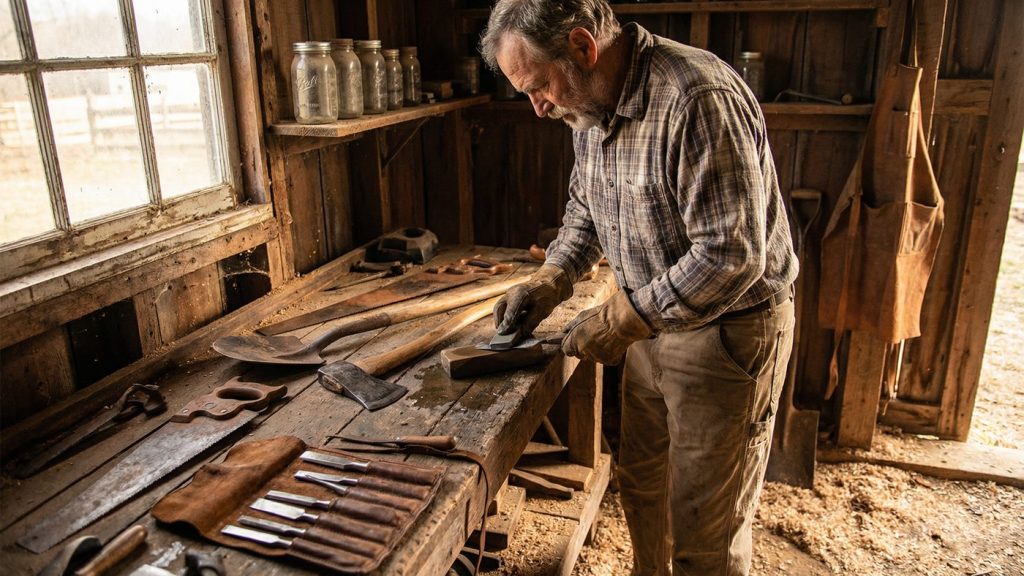
Before you can build anything complex, you need the basics. The Roman farmer relied on simple, durable hand tools that didn’t require fuel or complex maintenance.
Today, your foundation starts with tools that work when the power goes out.
What you need:
- A high-quality axe or hatchet: For processing firewood and clearing brush. Don’t skimp here. A good axe will last generations.
- A sturdy shovel: Essential for digging trenches, moving soil, and managing waste.
- A reliable hand saw: For cutting lumber and processing larger pieces of wood without electricity.
- A heavy-duty hoe: For planting, harvesting, and moving earth.
The Roman Equivalent: The dolabra (a versatile pickaxe/mattock) and the falx (a heavy sickle). These were the everyday tools that kept the farm running.
Action Step: Check your shed today. Do you have these four items? Are they sharp and ready to use? If not, make this your first priority.
Tier 2: Production and Maintenance (Cost: $300–$800)
Once you have the basics, you need tools that allow you to maintain your property and produce your own goods. This is where you move from just surviving to actually thriving.
What you need:
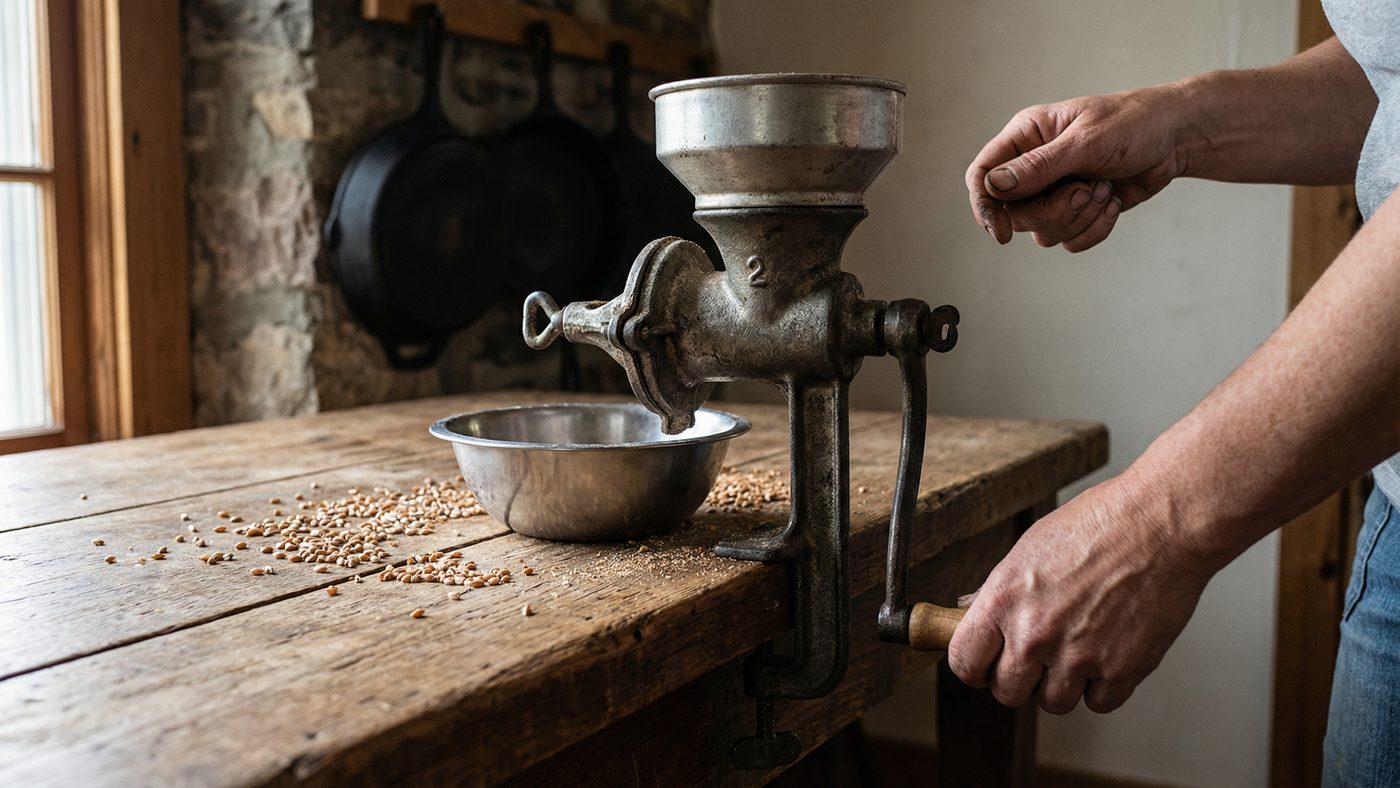
- A manual grain mill: If the supply chain breaks, you need to be able to process your own flour. A good hand-crank mill is essential.
- A comprehensive mechanics tool set: Wrenches, sockets, screwdrivers, and pliers. You need to be able to fix your own equipment, from tractors to water pumps.
- A robust sharpening system: Whetstones, files, and honing oil. A dull tool is a dangerous tool. You must be able to maintain your own edges.
- Basic carpentry tools: Chisels, hand drills, and a good hammer. For repairing structures and building new ones.
The Roman Equivalent: The mola (hand mill) for grinding grain, and various specialized tools for woodworking and metal repair. The Romans were master builders, and they did it all by hand.
Action Step: Invest in a quality hand-crank grain mill. It’s one of the most overlooked preps, but it’s absolutely critical if the grocery store shelves go bare.
Tier 3: True Independence (Cost: $500–$1,500)
This is the ultimate level of tool sovereignty. This is where you stop relying on the outside world entirely and become your own supply chain.
What you need:
- A basic blacksmithing setup: An anvil, a forge (even a simple dirt forge), and a set of tongs and hammers. If you can forge your own tools and repair metal parts, you are truly independent.
- A manual water pump: If the grid goes down, your electric well pump is useless. A manual backup pump ensures you always have access to clean water.
- Advanced food preservation equipment: A high-quality pressure canner and a solar dehydrator. You need to be able to store what you grow without relying on a freezer.
The Roman Equivalent: The village smithy. Every Roman community had someone who could work metal. If you can do this yourself, you hold the keys to long-term survival.
Action Step: Start small with metalworking. Build a simple brake-drum forge and practice heating and shaping scrap metal. It’s a skill that takes time to learn, but it’s invaluable.
Your Homestead Is Your Empire
The Roman farmers who survived the collapse of the Republic didn’t do it by accident. They did it by taking control of their own production. They didn’t wait for the Senate to fix things. They fixed things themselves.
You have the same choice today. The political gridlock isn’t going away. The system is showing its cracks. But your homestead can be your fortress.
Build your tool sovereignty now. Start with the foundation, move to production, and aim for true independence.
Ready to take the next step in your preparedness journey?
If you want to ensure your family is protected no matter what happens in Washington, you need a comprehensive plan. Click here to discover the Noah/Ark Survival Blueprint — a complete guide to building a resilient, self-sufficient homestead that can weather any storm.
Looking for ways to secure your financial future outside the traditional banking system? Get your free Beginner’s Guide to Gold here.
And if you’re worried about keeping the lights on when the grid fails, check out this Ancient Invention that Wipes Out Power Bills.