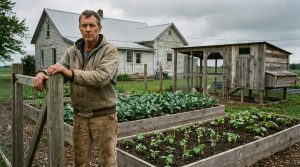
Introduction: Why Save Seeds?
Saving seeds is a cornerstone of self-sufficiency. It empowers you to become less reliant on commercial seed suppliers. You also get to preserve unique varieties that are perfectly adapted to your local climate.
Growing your own food and saving the seeds from the best plants is incredibly rewarding. It’s a way to connect with nature and ensure a sustainable food supply. Seed saving is a skill that has been passed down for generations.
Imagine having a garden filled with heirloom tomatoes passed down through your family. Saving seeds helps you continue this tradition and build resilience. Plus, it’s often more cost-effective than buying new seeds every year!
Understanding Seed Saving Basics
Successful seed saving starts with understanding plant pollination. Some plants are self-pollinating, making seed saving easier. Others require cross-pollination, requiring specific isolation techniques.
Here’s what this means for you: When you implement these strategies, you’ll see tangible improvements in your results. Without taking action, you’ll continue facing the same challenges you’re experiencing now. The choice—and the power to change your situation—is in your hands.
Self-pollinating plants like beans and tomatoes usually have seeds that are true-to-type. This means the saved seeds will produce plants similar to the parent. Cross-pollinating plants like squash and corn need more care.
Cross-pollination occurs when pollen from different plants fertilizes each other. This can lead to variations in the offspring. Isolation techniques help prevent unwanted cross-pollination and preserve the desired traits.
Most Americans won’t be prepared for what’s coming. But you don’t have to be one of them.
Discover the surprisingly simple steps you can take today to protect your family’s future.
ain genetic diversity. Heirloom seeds are open-pollinated and have been passed down for generations. They often offer unique flavors and characteristics.
Wet Seed Processing: Tomatoes, Cucumbers, and Melons
Wet seed processing is used for fruits like tomatoes, cucumbers, and melons. This method involves fermenting the seeds to remove the pulp and prevent disease.
Scoop out the seeds and pulp from the ripe fruit into a jar. Add a little water and let it sit for several days, stirring occasionally. A layer of mold will form on top – this is normal.
Once the fermentation is complete, rinse the seeds thoroughly. Spread them out on a screen or coffee filter to dry completely. Store the dry seeds in an airtight container in a cool, dark place.
Dry Seed Processing: Beans, Peas, and Lettuce
Dry seed processing is ideal for plants with seeds that dry naturally on the plant. This includes beans, peas, lettuce, and herbs like dill and cilantro.
Allow the pods or seed heads to dry completely on the plant before harvesting. The seeds should be hard and easily separated from the plant matter. A good indicator is that the pods rattle when shaken.
Once harvested, thresh the seeds by rubbing or shaking the pods. Winnow the seeds by using a gentle breeze or a fan to remove the chaff. Dry the seeds further on a screen before storing them.
Saving Seeds from Biennial Plants: Carrots, Beets, and Onions
Biennial plants like carrots, beets, and onions require two growing seasons to produce seeds. They grow vegetatively in the first year and flower and set seed in the second.
In the first year, select the best plants and overwinter them in a protected location. In the spring, replant them and allow them to flower. Provide support as needed, as the seed heads can be heavy.
Harvest the seed heads when they are dry and brown. Dry the seed heads completely and then thresh and winnow the seeds. Store the seeds in a cool, dark, and dry place for planting in future seasons.
Proper Seed Storage: Extending Seed Viability
Proper seed storage is critical to ensure your saved seeds remain viable for future use. The ideal storage conditions are cool, dark, and dry.
Store seeds in airtight containers, such as glass jars or plastic containers. You can add a desiccant, like silica gel packets, to absorb moisture. Label each container with the plant name and date of collection.
A refrigerator or freezer can extend seed viability, but ensure the seeds are completely dry before storing them. Keep them away from direct sunlight and fluctuating temperatures.
Practical Tips for Successful Seed Saving
- Start small and focus on a few easy-to-save crops like beans or tomatoes.
- Thoroughly research the specific seed-saving requirements for each plant.
- Always label your seeds with the plant name and date of collection.
- Test seed germination rates regularly to ensure viability.
- Join a local seed-saving group to learn from experienced gardeners.
- Save seeds from open-pollinated varieties, not hybrids (labeled F1).
- Consider isolation methods if you are saving seeds from cross-pollinating plants.
- Document your seed-saving process for future reference.
- Use a seed saving calendar to keep track of harvest times.
- Share your seeds with friends and neighbors to build community resilience.
Conclusion: Embracing Seed Saving
Seed saving is a rewarding practice that connects you to the natural world. It promotes food security and preserves valuable genetic diversity. Start small, learn the basics, and enjoy the process.
By saving seeds from your garden, you become an active participant in the cycle of life. You help ensure a sustainable food supply for yourself and future generations. Seed saving is truly an act of empowerment.